
Esther Mweru
Women are central to food systems across the Middle East and North Africa (MENA), but that presence does not always translate into power.
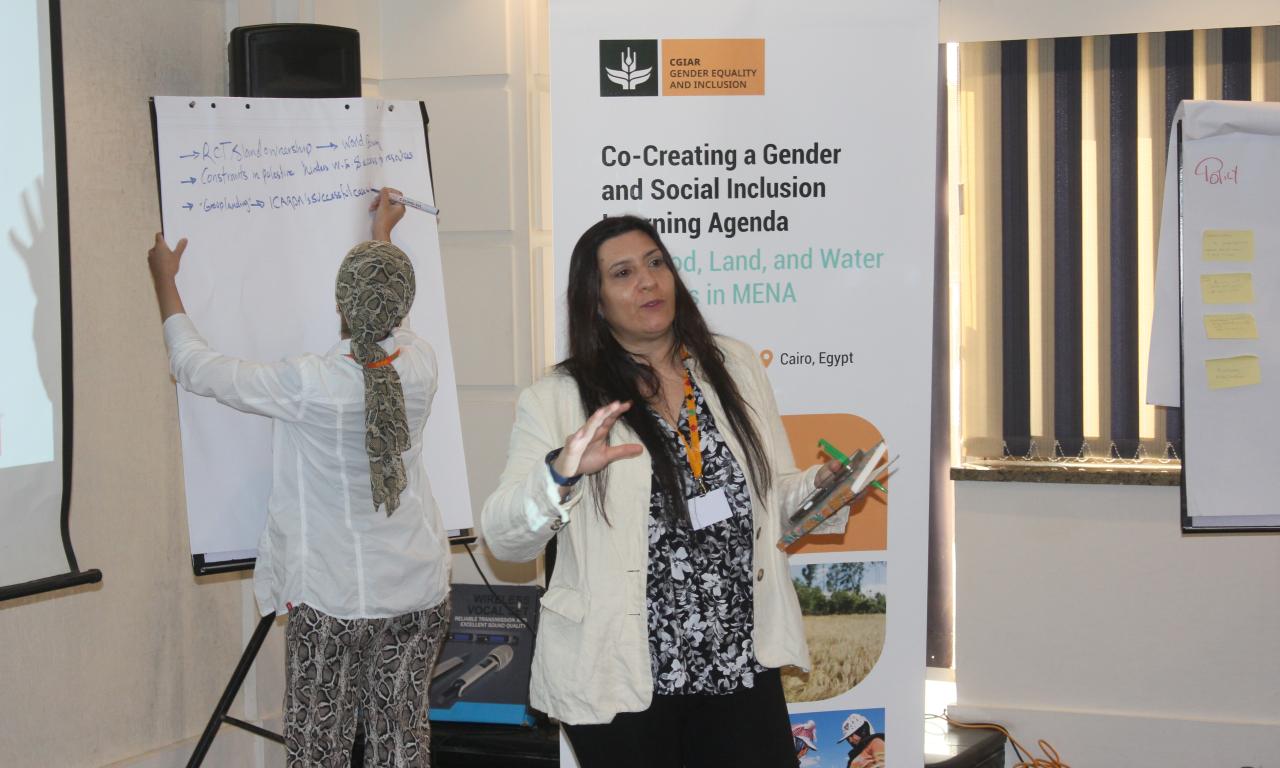
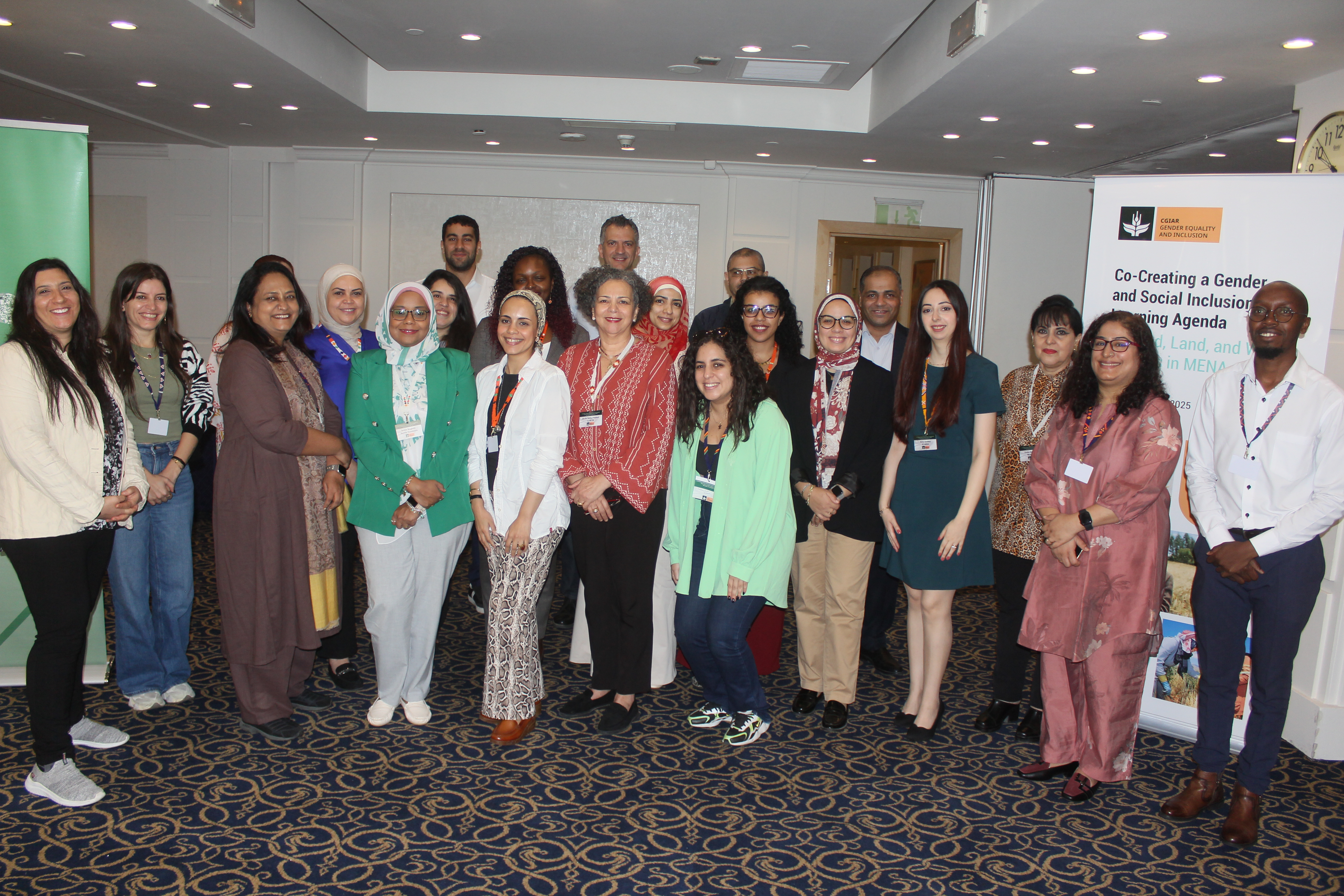
This tension shaped discussions at a recent regional workshop convened by CGIAR’s Gender Equality and Inclusion Accelerator, where researchers, practitioners, and policymakers came together to reflect on gender equality in food, land, and water systems across the region.
The goal was not just to review evidence, but to ask a deeper question: what are we still missing when it comes to inclusion?
As conversations unfolded, one reality became clear: participation is not translating into greater agency or influence.
More Presence, Less Power
Across many contexts, women are increasingly taking on roles in agriculture, fisheries, and other parts of the food system. This shift is often linked to changing economic and social dynamics, including migration and shifting labour patterns.
But while women are doing more, they are not necessarily gaining more.
Participants reflected on how women are often concentrated in informal and low-paid work, with limited influence over decisions that affect their livelihoods. Even as their responsibilities grow, access to resources, leadership opportunities, and recognition does not keep pace.
It is a pattern that raises an important question: what does participation really mean if it does not lead to greater agency?
Barriers that Continue to Shape Outcomes
The discussions pointed to a set of challenges that many women continue to navigate.
Access to land remains limited, with women owning only a small fraction of agricultural land in the region. This affects not only their ability to produce, but also their access to finance and other opportunities.
There are also gaps in access to training, extension services, and technologies, particularly those traditionally designed for men. At the same time, social norms continue to influence who is able to participate, who is heard, and whose work is valued.
In many cases, women’s contributions remain invisible, especially when they take place within households or informal settings. This makes it harder for policies and programs to respond effectively.
Looking Ahead: From Insight to Action
The discussions highlighted several priority areas for strengthening gender equality and social inclusion in food, land, and water systems:
- Strengthening availability and use of gender-disaggregated data
- Integrating approaches for access to finance, technologies, advisory services, and market opportunities for women
- Supporting women’s participation in fisheries and aquaculture, where their representation is large but mostly in low-paid roles
- Strengthening linkages between research, policy, and practice
- Moving from fragmented, project-based approaches to coordinated, system-level learning
- Advancing approaches that strengthen women’s agency and access to resources
Read the full workshop report here: Co-Creating a Gender and Social Inclusion Learning Agenda for Food, Land, and Water Systems in Middle East and North Africa Region
Cover photo: Participants engage in discussions to shape more inclusive and resilient food, land, and water systems across the MENA region. Photo: WorldFish Egypt.