
Muhammad Arifur Rahman
Community-led conservation continues to show significant promise for protecting marine megafauna in the Bay of Bengal, particularly sea turtles.
The ECOFISH II Project, implemented by WorldFish, worked with coastal fishing communities from 2019 to 2024 to strengthen marine biodiversity conservation, improve awareness of marine ecosystem health, promote more responsible fishing practices and support the livelihoods of fishing communities.
The initiative was built around a simple but important idea. Fishers and coastal communities are not only users of marine resources. They can also be stewards of the ecosystems that support their livelihoods.
Training Fishers as Ocean Stewards
The project trained more than 17,000 fishing community members, including fish workers, boat skippers, boat owners, Fisheries Co-management leaders, Citizen Scientists, Landing Center Facilitators and Blue Guards. Training focused on marine biodiversity conservation, ecosystem health, and responsible fishing practices. It also covered combating plastic pollution, ghost gear, and the importance of protecting brood fish, juveniles and threatened marine species.
As part of this training, participants learned how to safely rescue and release entangled megafauna, including sea turtles, dolphins, sharks, skates, and rays. This helped fishers to safely rescue and release 236 individual marine megafauna including a significant number of sea turtles.
In Kutubdia Island, Cox’s Bazar, ECOFISH II also supported the establishment of a community-managed sea turtle hatchery, working with local residents and volunteers during the breeding season. The hatchery protected 467 Olive Ridley turtle eggs from four nests and supported the successful release of 149 hatchlings in the Bay of Bengal.
These results were important in a coastal area where sea turtles and nesting sites remain under pressure from fishing gear, beach disturbance, pollution and wider changes in the marine environment. They also showed what can happen when conservation activities are locally managed and linked to the knowledge and daily practices of fishing communities.
Keeping Conservation Work Alive
ECOFISH II closed in November 2024. Since then, the turtle hatchery in Kutubdia has been inactive due to limited funding to maintain the facility and support night guards and egg collectors during the breeding season.
However, the end of the project has not meant the end of community-led conservation in Kutubdia. For members of the Blue Guard team, the training created a pathway to continue protecting the coastal and marine environment.
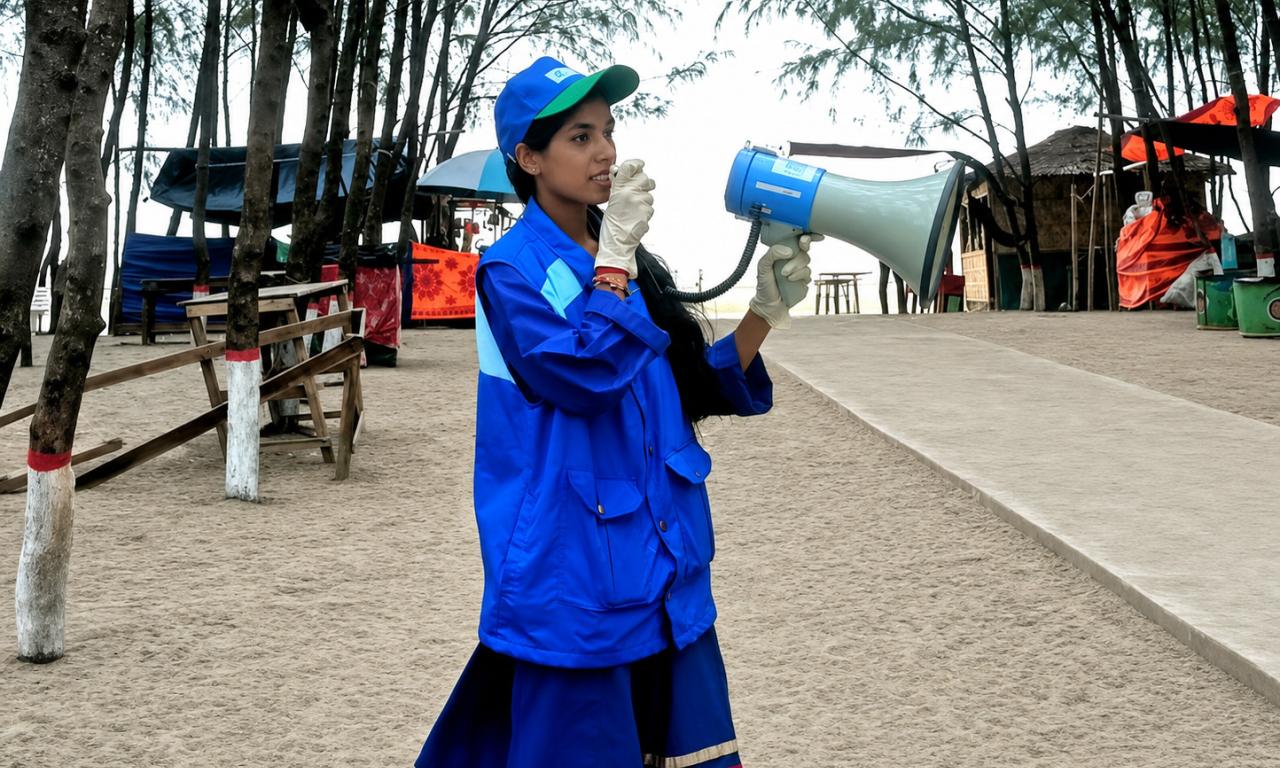
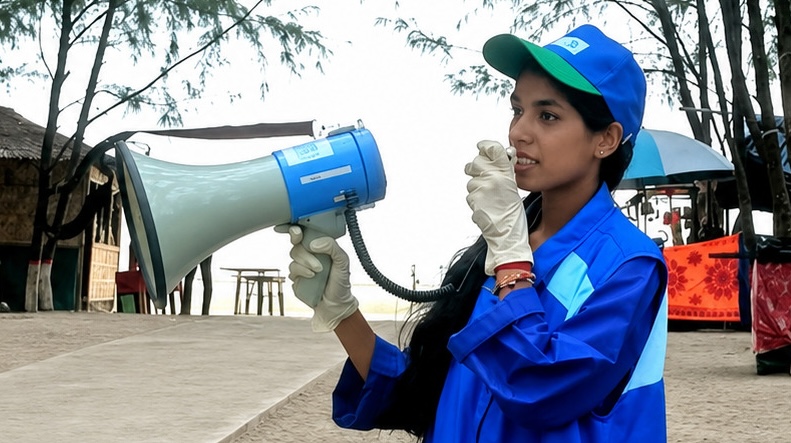
“I was born into a fishing community, and it was my dream to work for the betterment of fishing communities and the protection of the marine environment and biodiversity. Since joining the ECOFISH II Blue Guard team in Kutubdia, I have continued this work as an environmental activist. The training helped me understand the value of the ocean and the role young people can play in protecting it. That is why I continue to protect the ocean and take part in awareness campaigns on environmental protection and combating plastics and ghost gear,” said Mukta Das, leader of the Blue Guard team in Kutubdia.
Carrying the Blue Guard Model Forward
After ECOFISH II, the Blue Guard approach continued through the Fisheries Livelihood Enhancement Project in the Coastal Area of the Bay of Bengal, known as FiLEP. Working across five upazilas in Cox’s Bazar, FiLEP helped carry the community-based conservation model into new coastal communities. Building on lessons from both ECOFISH II and FiLEP, the model will now be expanded through the Sustho Sagor (Healthy Ocean) project, which aims to strengthen Marine Protected Areas (MPAs) in three coastal locations in south-central Bangladesh.
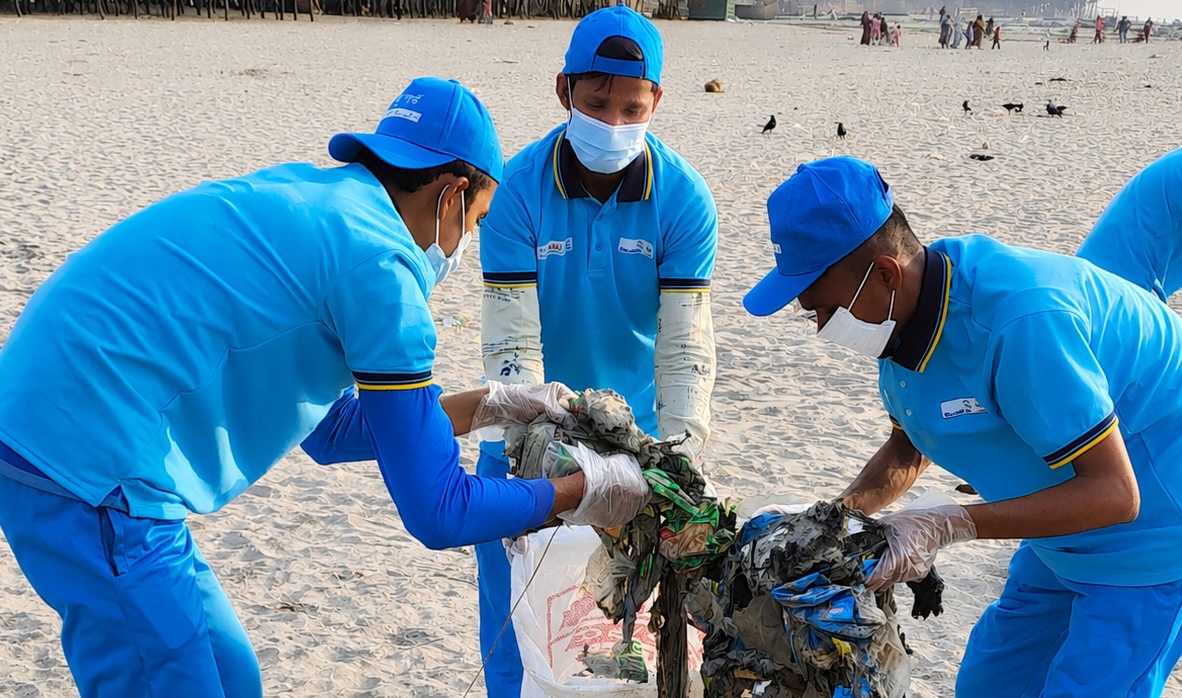
Although some earlier Blue Guard members have moved on or taken up other jobs, new members have joined the groups. This has allowed activities to continue in fishing communities, on beaches and in education institutions, where Blue Guards conduct awareness campaigns on marine conservation, ecosystem health, sea turtles, plastic pollution and ghost gear.
At the same time, trained fishers and boat skippers continue to play an active role in safeguarding megafauna at sea, while Blue Guards have continued beach cleaning campaigns and community awareness activities. These include regular beach clean-up campaigns, community awareness on marine megafauna conservation, including sea turtles, plastic pollution and ghost gear, support to ensure nesting turtles can return safely to the sea, and daytime monitoring of the hatchery area.
“The training helped strengthen individual and community learning by giving participants access to new knowledge, practical skills and different sources of information. Awareness on marine biodiversity conservation and ecosystem health has increased since the project began,” said Amena Begum, an active member of the Blue Guard team.
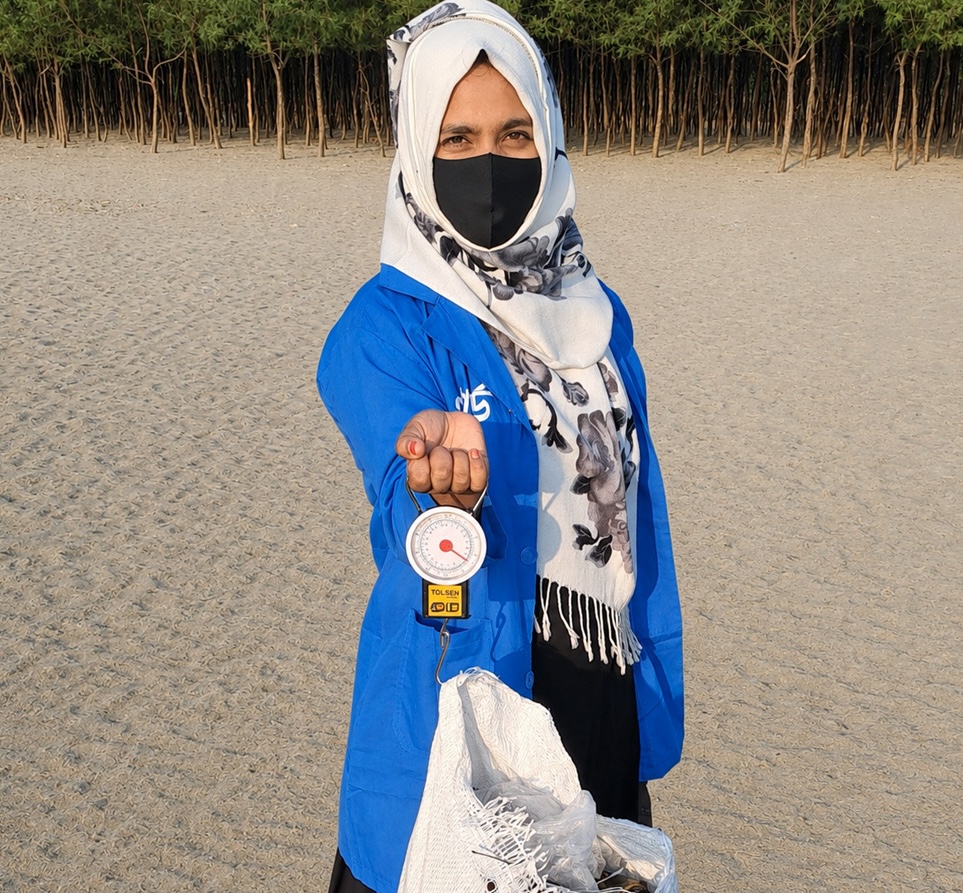
These activities reflect the continued commitment of small-scale artisanal fishers, Blue Guards and local volunteers to marine conservation in the Bay of Bengal. They also show that while some project-supported activities need renewed resources to continue at full strength, the knowledge, awareness and stewardship built through ECOFISH II have remained within the community.
The experience in Kutubdia points to an important lesson for marine conservation. Community engagement is not a short-term add-on to conservation work. When communities are trained, trusted and involved directly, they can continue to protect marine species and coastal ecosystems beyond the formal life of a project.
At the same time, the inactive hatchery shows why sustained support matters. Community commitment can carry conservation work forward, but activities such as hatchery maintenance, night guarding and egg collection require practical resources. Continued investment would help build on the progress already made and allow local conservation efforts to protect more sea turtles during future breeding seasons.
Cover photo: Mukta Das, leader of the Blue Guard team in Kutubdia, has continued working with local communities to raise awareness about marine conservation, plastic pollution, ghost gear and sea turtle protection after the close of ECOFISH II. Photo: WorldFish.