
Netsayi Mudege

Lucyphine Kilanga

Keagan Kakwasha
Lawrence Kitogo
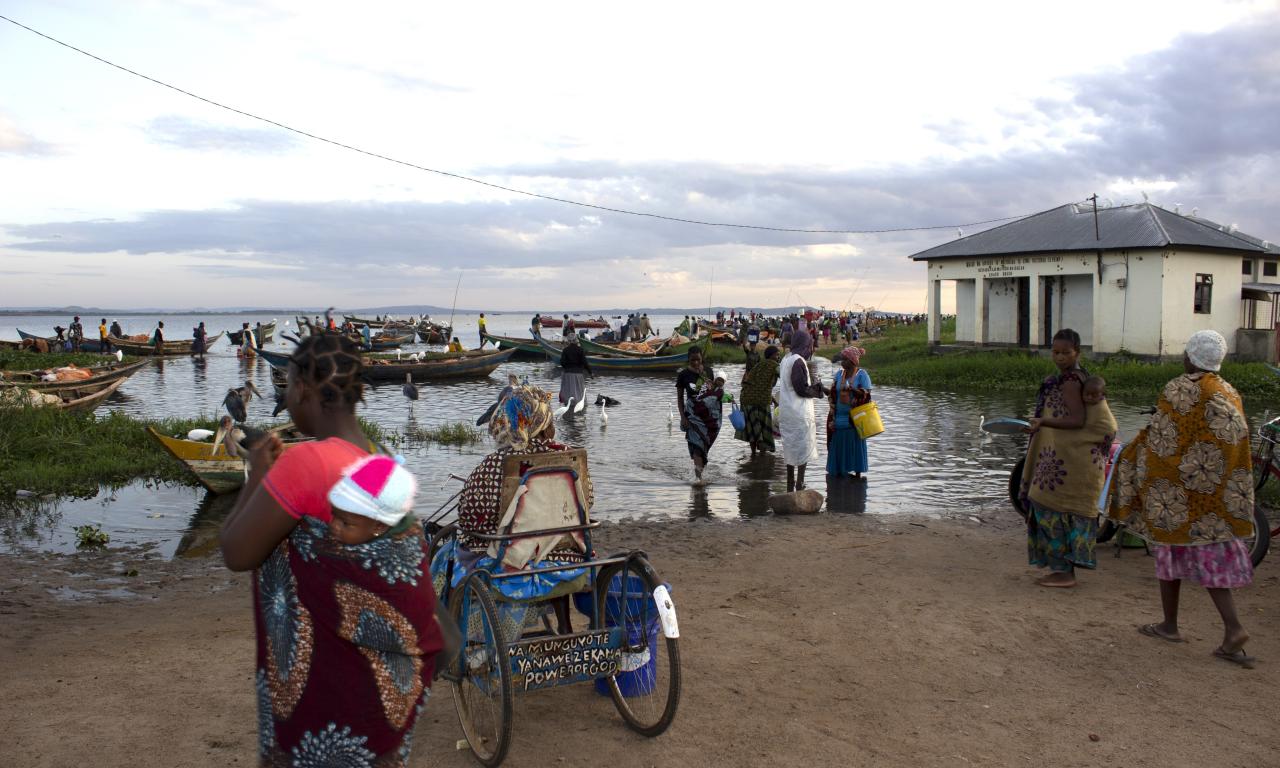
"In the past, we would go fishing and return with tonnes of fish, but nowadays we go fishing and return with nothing, only shells and no fish in the nets. We incur costs with no benefits at all. Temperature is rising, and rains have become unpredictable, negatively affecting the fish that we catch." - Clement Sozi, Fisher, Lake Victoria, Tanzania.
When fishers on the shores and islands of Lake Victoria talk about climate change, they do not speak in abstract terms. They talk about stronger storms that keep boats ashore. They speak about rising water temperatures contributing to fish mortality (events locally known as kiferezi). They share experiences of loss as floods damage fish processing facilities, homes, schools, and wash away roads and bridges, and destroy aquatic habitats. They speak of fluctuating water levels that alter fishing grounds and intensify competition for dwindling resources.
For communities in Muleba District and Bukoba Municipal Council, climate change is no longer a future concern. It is already affecting livelihoods, food security, and the ecosystems that support fisheries.
Recognizing these challenges, WorldFish, Environmental Management and Economic Development Organization (EMEDO), and the Department of Fisheries organized a three-day participatory workshop to co-develop a Fisheries Climate Adaptation Plan for Muleba and Bukoba.
Putting Communities at the Centre
The climate adaptation planning workshop was grounded in the principles of locally led adaptation. Rather than presenting communities with predefined solutions, the process invited local fisheries stakeholders to analyze their own realities. They reflected on the changes they were observing and identified practical climate actions that made sense within their social, ecological, and institutional contexts.
The workshop brought together women fish processors and traders, fishers, BMU representatives, fish farmers, local government officials, fisheries officers, environmental officers, and development partners. Using engaging participatory processes, local stakeholders examined climate risks affecting fisheries ecosystems and livelihoods. They assessed who is most vulnerable, identified governance gaps, and explored adaptation options.
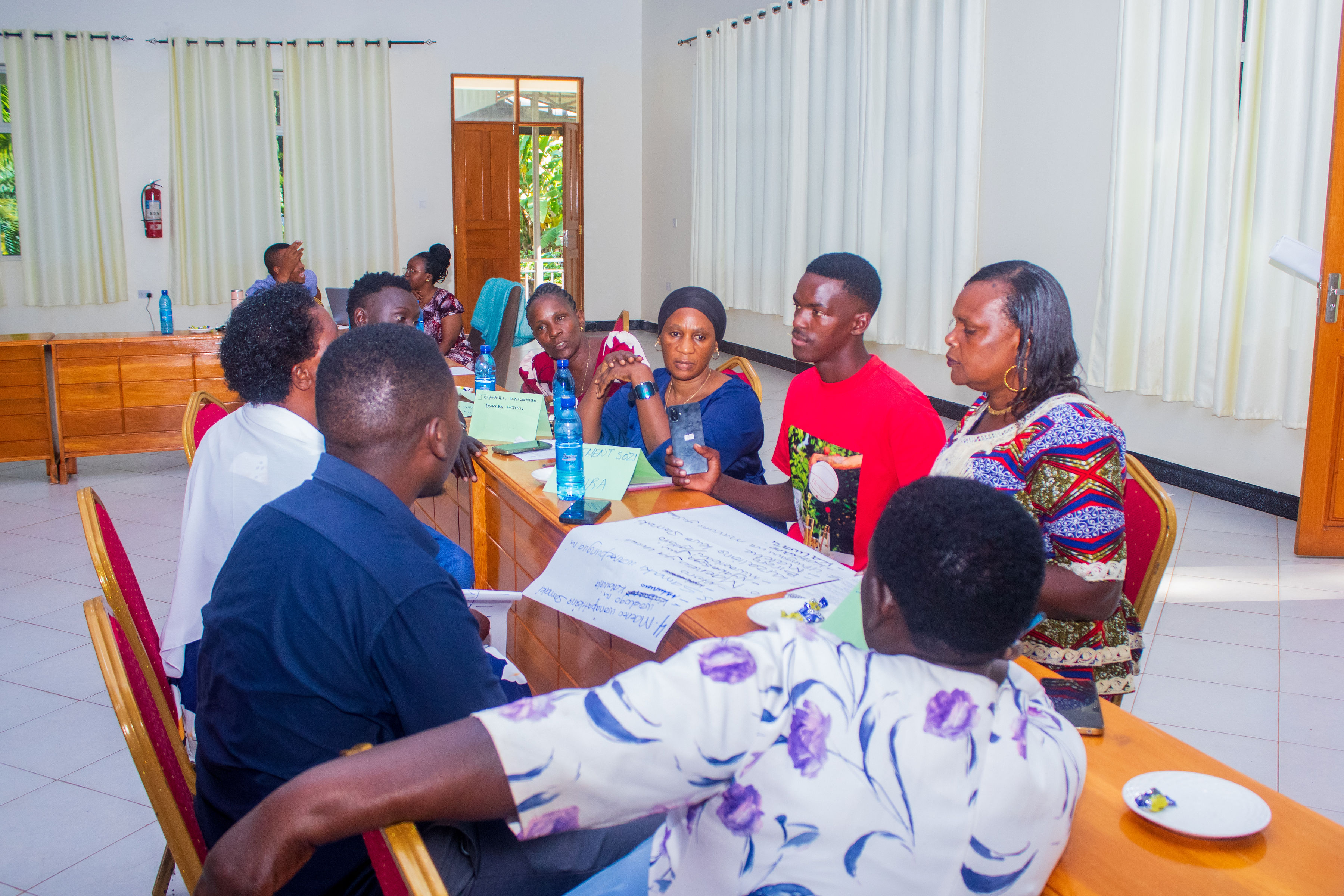
To co-design the adaptation plans, we combined local knowledge with scientific evidence on climate change and fisheries in the Lake Victoria Basin. When local stakeholders lack information about current and future climate change, it becomes difficult to prepare adaptation plans, and they shift toward coping with current changes. However, WorldFish and the Department of Fisheries provided technical knowledge and information on current and future climate changes. Thus, participants drew on their lived experiences of changing rainfall patterns, rising temperatures, fluctuating water levels, and increasingly unpredictable weather conditions. At the same time, they engaged with evidence on projected climate risks and their implications for fisheries systems.
The resulting adaptation plan reflects both. It is grounded in the realities faced by fisheries-dependent communities and draws on available evidence on current and future climate risks.
Shorelines are Gone and Nile Perch Catches are Declining
Throughout the discussions, participants repeatedly highlighted that climate change is no longer something they expect to experience in the future. It is already affecting fisheries resources, livelihoods, and community well-being.
Heavy rainfall and flooding were identified as major concerns because they damage fish breeding habitats, wetlands, landing sites and fish processing areas. Participants described how flooding contributes to shoreline erosion and increases post-harvest losses, particularly for women involved in fish processing and trading.
Heavy rainfall has eroded shorelines at landing sites. When going to get the fish, we must get into the water; sometimes it’s cold, but there is no other option left. When it rains, we also incur heavy losses during processing. When there is no sun, our dagaa gets spoiled. We end up selling it as fish feed, or we just bury it when there is no market, and it has rotted". - Julitha Karugaba fish processor, Bukoba.
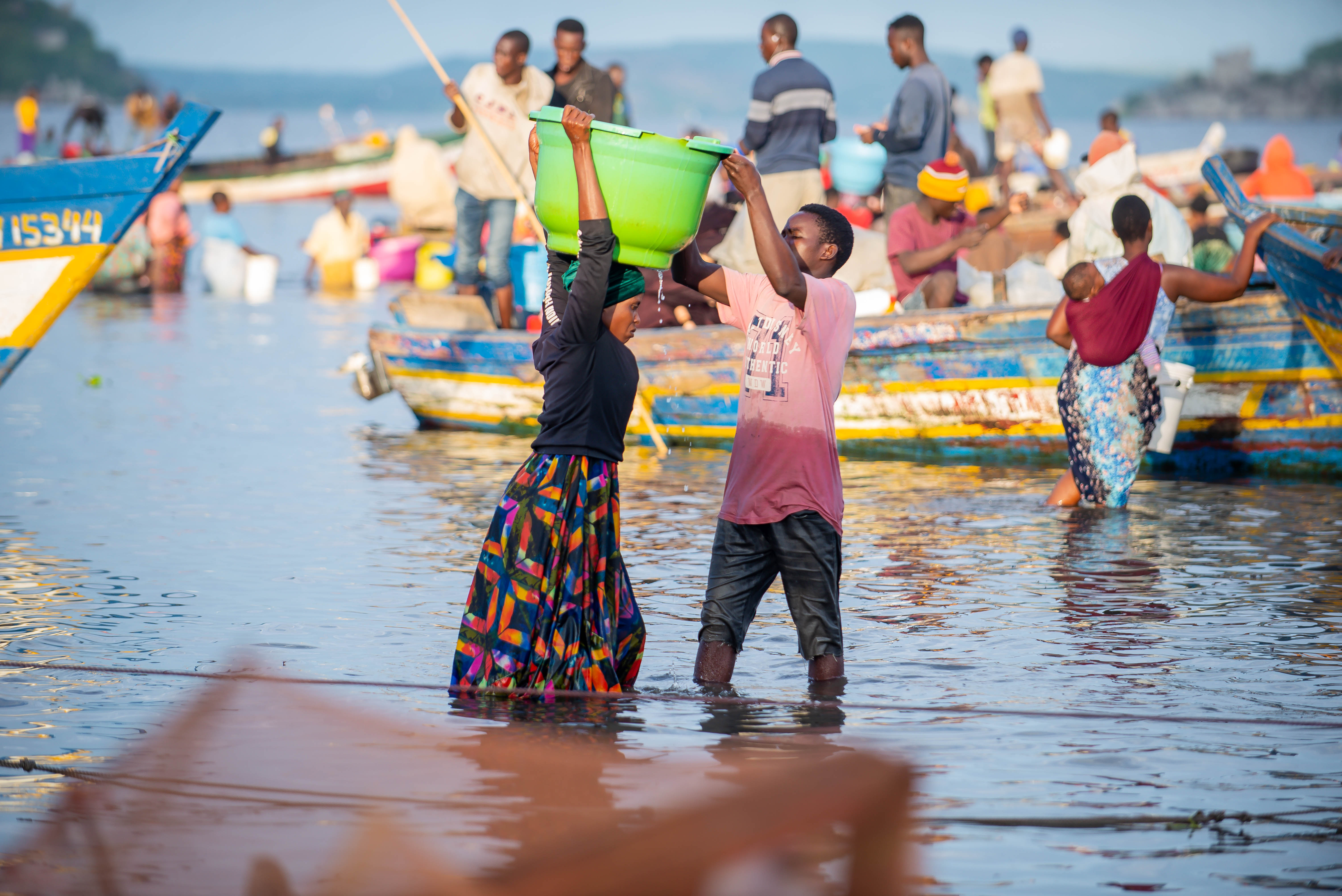
Participants linked rising water temperatures to declining fish catches, changes in fish movement patterns, and increased fish mortality. Communities identified Nile perch as the most vulnerable species affected by rising temperatures, the degradation of breeding sites and wetlands, and by decreases in water levels because the species resides in deep waters.
For many participants, concern about Nile perch was also concern about household income. Several fishers explained that catches are becoming less predictable and that species they once relied upon are becoming harder to find.
The rise in water temperature has caused fish such as the Nile perch to migrate. In recent years it has become very difficult to catch the Nile perch. Also some fishers are now fishing in the breeding sites reducing the Nile perch population even more and affecting our catches". - Justine Chacha, Fisher, Muleba.
They also identified safe shallow waters and wetlands where the Nile perch breeds as under threat. Fluctuating water levels were identified as a threat to wetlands and shallow breeding habitats that support fish reproduction. Fishers also described how changing water levels affect access to productive fishing grounds and increase competition over available resources.
When Strong Winds Mean Death for Fishers
There has been an increase in the number of fishers dying from drowning in our community because of strong winds and storms on the lake. It never used to be like that. Strong winds are damaging boats and sometimes sink or capsize them. It is now very risky on the lake. We have reduced our fishing time, meaning we now incur losses and get less income as a result". - Ebadia, fisher, Bukoba.
Strong winds and storms are increasing, leading to greater risks for fishers' lives on the lake. Strong winds and storms also destroy fishing gear and infrastructure, disrupt fishing activities and market access, increasing livelihood vulnerability. Processors and traders highlighted the disruptions that extreme weather creates throughout the fisheries value chain, including during processing and transportation of their value-added products.
"A good example is here in Bukoba. We are now experiencing more unpredictable and heavy rains. These have flooded our landing sites, and even our homes are damaged. This has affected our processing activities. We now buy fewer quantities of dagaa. We fear that if we buy more, we may not be able to process all of them, as the heavy rains can spoil them. This has really impacted our income and markets as women".- Johari, processor, Bukoba.
Importantly, participants emphasized that climate change impacts intersect with human-induced habitat degradation, pollution, unsustainable fishing practices, poverty, and limited livelihood alternatives.
Community Priorities for Adaptation
The adaptation actions identified by participants reflected the interconnected nature of these challenges.
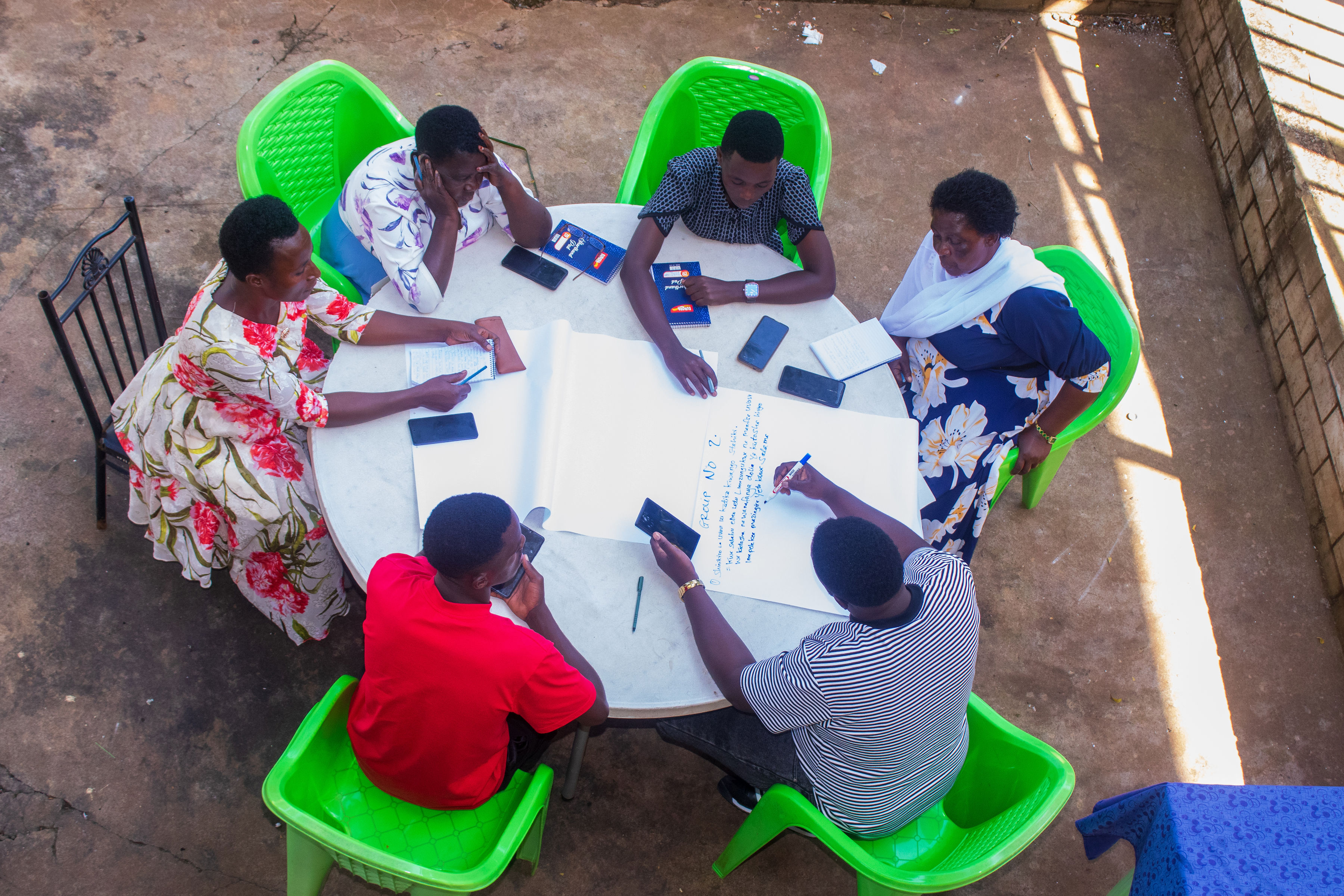
Participants identified four priority areas: strengthening climate-resilient fisheries infrastructure and livelihoods; reducing pollution and environmental degradation; diversifying livelihoods and improving fisheries management; and expanding access to timely, locally relevant climate information.
Improved fish-processing technologies and infrastructure were seen as critical to reducing post-harvest losses during periods of heavy rainfall, while also protecting important breeding habitats and shorelines.
Participants also highlighted the growing impacts of waste, plastics, and runoff on fish breeding grounds and wetlands, particularly during periods of heavy rainfall and flooding. Addressing pollution was therefore seen as both an environmental management issue and a climate adaptation priority.
Communities also recognized that increasing pressure on fisheries resources is worsening climate risks. Diversifying livelihoods through activities such as aquaculture, fish value addition, and other income-generating opportunities was identified as an important strategy to reduce vulnerability and ease pressure on fish stocks.
Across the workshop, participants repeatedly highlighted the need for timely and locally relevant weather and climate information. Improved access to forecasts and early warning information was seen as critical for reducing risks to lives, fishing equipment, and fish products.
Ensuring No One Is Left Behind
"As women and young people, we have limited access to capital for investments and recovery when we lose our businesses due to climate change impacts". Judith Paul, fish processor Gozba Island, Muleba.
Discussions throughout the workshop highlighted that climate change affects different groups in different ways. Women processors and traders, youth, small-scale fishers and poorer households often have fewer resources to absorb losses and recover from climate shocks.
For this reason, gender equality and social inclusion were integrated throughout the adaptation plan rather than treated as separate issues. Participants emphasized the need to strengthen women's participation in decision-making, improve access to climate information and adaptation resources, and ensure that adaptation investments benefit those who are most vulnerable to climate risks.
From Planning to Action
As the workshop came to an end, participants were clear that the adaptation plan is only a starting point. The real test will be turning ideas into action. Yet there was also a sense of optimism. Communities are not waiting for others to solve climate challenges on their behalf. They are already identifying solutions and acting. What they need now are the partnerships, resources, and institutional support to turn those solutions into lasting change. They are ready to play a leading role in shaping their own future. The challenge now is ensuring that the resources, partnerships, and institutional support are in place to help turn community priorities into sustained action.
Acknowledgements
We acknowledge funding from Area of Work 3 of CGIAR’s Climate Action Science Program. We are grateful for the support of CGIAR Trust Fund Contributors https://www.cgiar.org/funders.
Cover photo:Traders at a landing site in Lake Victoria, Tanzania, waiting to buy fish. Photo: Deogratius Simbila, EMEDO.