
Rajita Majumdar
Aquatic foods have come a long way from being hidden in our food systems to being recognized as central to transforming our food systems so they can deliver healthier and more sustainable diets to an estimated 10 billion people by 2050—within the means of the planet.
But can sustainable production and greater availability of aquatic foods alone lead to healthier diets?
The data from different parts of the world suggests not.
The Consumer Problem
In Pacific countries, with tiny islands scattered across the ocean, there’s no dearth of fish and other aquatic foods; these foods are also deeply ingrained in their culture and traditions. Yet these countries have some of the world’s highest burden of heart disease and obesity thanks to increasing reliance on cheap imported foods. These foods, typically high in fats, sugars and salts, are fast replacing Indigenous food cultures and ways of living.
In the Global North, the challenge plays out differently with meat – the more popular animal protein – dominating over aquatic foods in supermarkets. Norway, a country with deep maritime history and fishing heritage, is seeing a worrisome decline in aquatic food consumption – by around 18 percent since 2014.
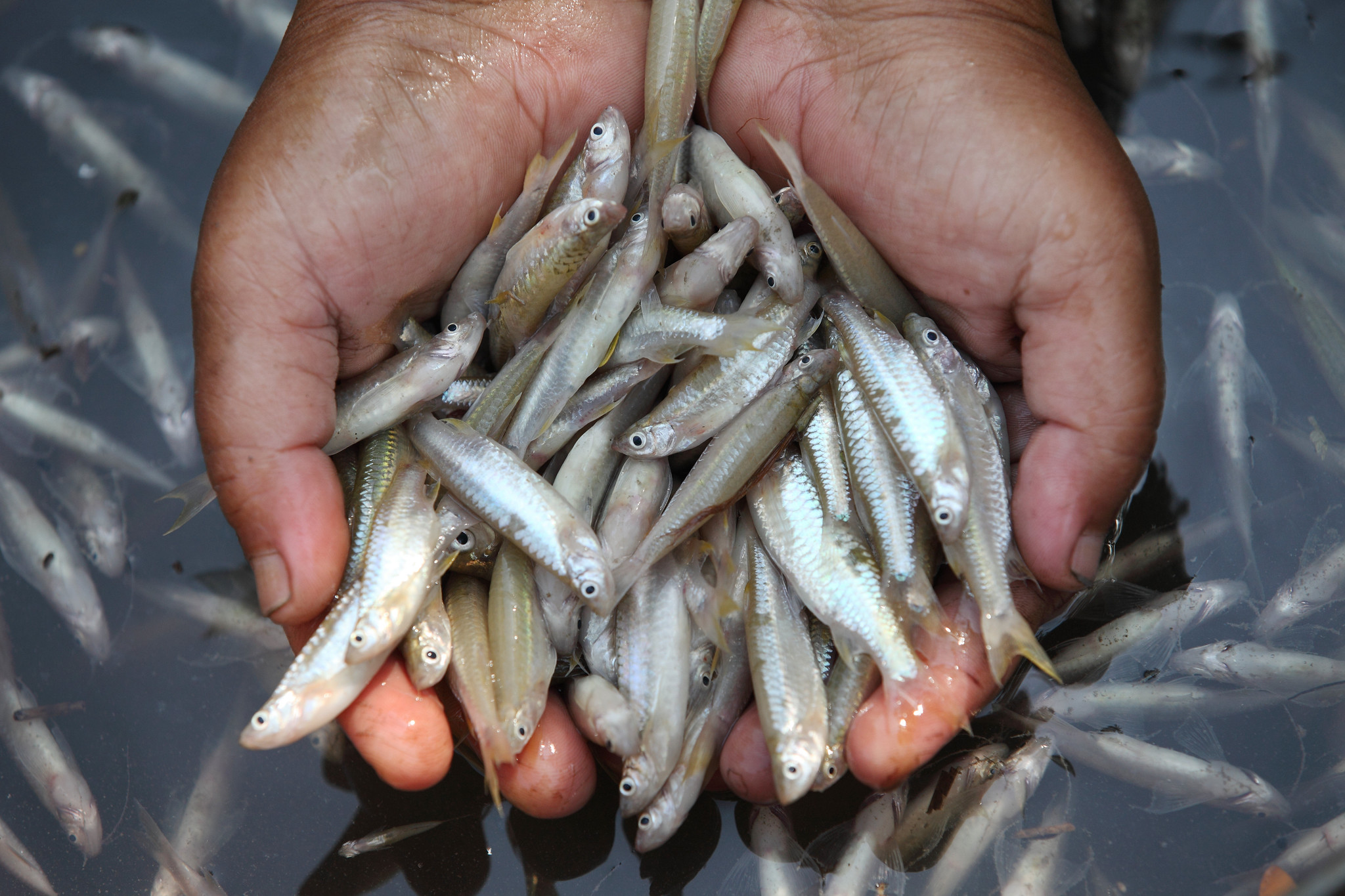
In Africa, where child malnutrition remains widespread, what’s on plate takes on a particular urgency. Aquatic foods, such as small fish, shellfish, and other aquatic species, are packed with omega-3s, iron, zinc, and vitamin B12, essential for child development. Despite their high nutrition and availability in coastal and inland regions, per capita consumption lags at ~9.4 kg/year compared to the global average of over 20 kg (as of 2021).
A paradox, the health benefits of aquatic foods are largely known by the public yet knowledge alone doesn’t translate into action, as a survey conducted in Timor-Leste found. The study aiming to improve intake of dietary nutrition found that not only 99% respondents knew of the health benefits but that only when increased fish supply was complemented with a public campaign, twice as many households bought fish.
Large-scale behavior change doesn’t come in a vacuum. There are barriers to consumption that must be overcome.
Overcoming Barriers to Aquatic Food Consumption
- Food Safety and Trust: For aquatic foods to become central to global nutrition and our plates, addressing issues of food safety and quality is of prime importance. Methods of processing and storage will require critical attention to control any contamination – whether from pollutants or pathogens – and deterioration of nutrients, smell and appearance, so consumers can trust and be assured of safe and quality aquatic foods. In low-income countries, these steps are of paramount importance given the often weak infrastructure and regulations for landing sites, transportation and markets.
- Convenience: Often chicken and meats are preferred meals to make in households for their sheer convenience. Available as nuggets, sausages or patties, they suit lifestyle of younger generations and increasingly urban populations, while fish and shellfish are perceived as hard to cook or messy. Developing culturally acceptable fish-based products could increase marketability of aquatic foods, not only promoting household nutrition but also women’s participation in local economies as women make up to 60% of the processing and retail workforce.
- Knowledge and Normalization: Fish is deeply rooted in many cultures across the world and provides nourishment to 3.2 billion people globally. Yet it remains largely unrecognized as a nutritious dietary choice, integral to sustainable, healthy food systems. This gap points to a broader challenge: poor visibility of aquatic foods in our diets and a lack of consumer knowledge and awareness. Making aquatic foods visible, accessible and relevant to everyday diets, along with outreach on facts around their nutrition and sustainability will be key to normalizing aquatic foods in diets and shifting consumer behaviours.
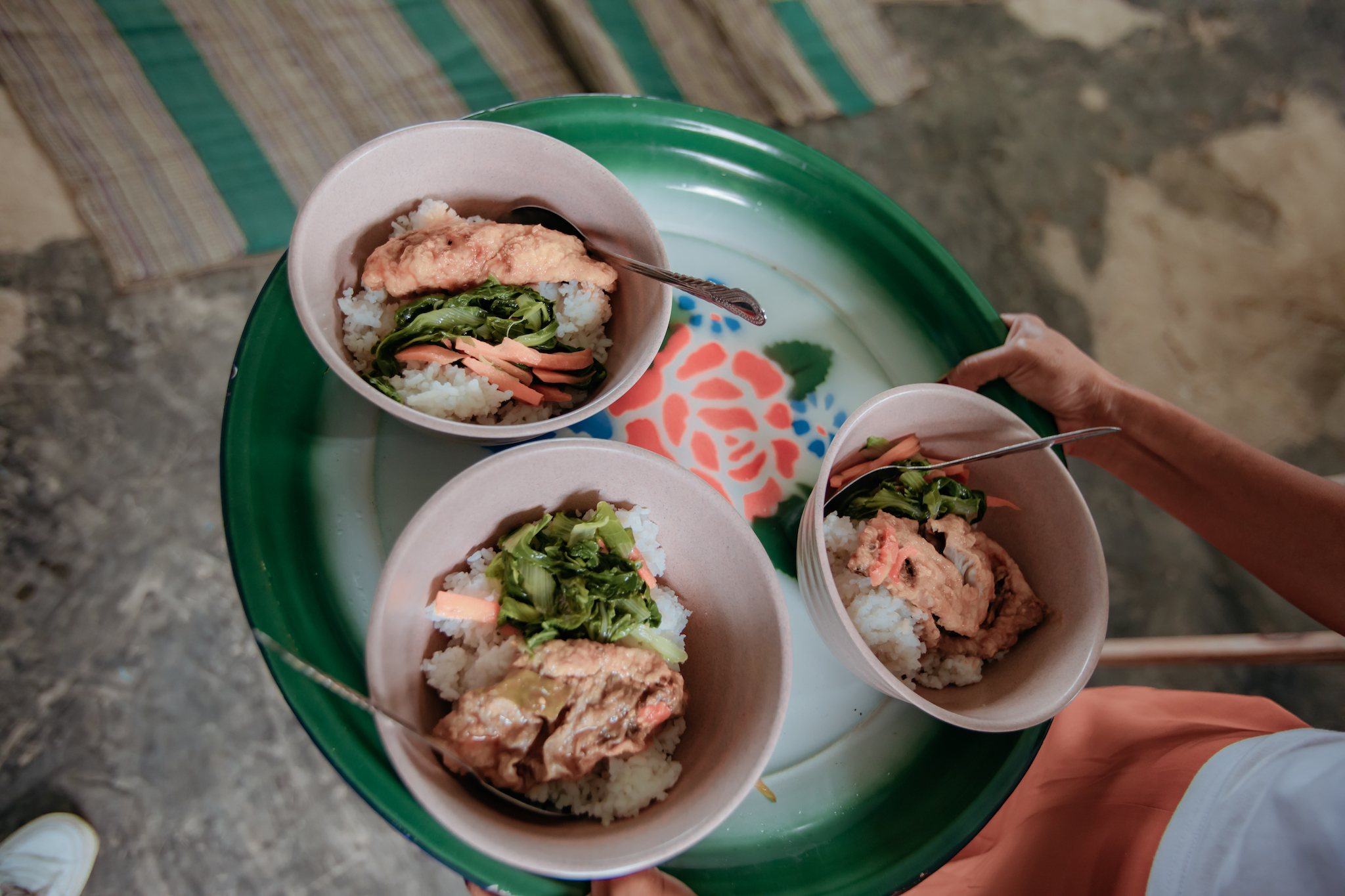
- Integration in Public Programs: Aquatic foods are known to be a uniquely dense source of high-quality, bioavailable nutrients. Given that they are one of the simplest and most effective solutions to nutrition, public and institutional programs catering to populations with special health needs, such as in hospitals, old age homes, and maternal and child health programs could be ideal pathways to harness the nutritional power of aquatic foods. A particularly high-return opportunity is integrating aquatic foods into school meal programs, already being rolled out in communities in India and Timor-Leste, among some other countries. With growing recognition of the value of school meal programs and the recent launch of School Meals Accelerator, this is an unmissable opportunity to give every child the world over a healthy start.
A New Workgroup on Consumption Opens Doors
A new international working group aiming to increase aquatic food consumption was launched April 20, 2026, by Norway, opening doors to a concerted and coordinated effort in overcoming aquatic foods consumer barriers. The working group launched at One Ocean Week in Bergen is part of Norway’s broader push toward more sustainable food systems under its Global Action Network Sustainable Food from the Oceans and Inland Waters for Food Security and Nutrition (GAN).
With five years left under the extended UN Decade of Nutrition (2016–2030), the workgroup under the GAN kickstarts the process of linking consumer preferences and perceptions back to production and value chains.
“There is little use of resilient aquatic food systems if aquatic foods are not included in our diets,” as Marianne Sivertsen Næss, Norway’s Minister of Fisheries and Ocean Policy, put it at the launch event.
Chicken wasn’t always a dietary staple as it is today and has some lessons to offer on transitions in food systems. Behaviour shifts, along with simultaneous advances in scientific, technological, and political landscapes are pivotal to create viable market forces that can precipitate the changes in food systems that we seek.
The focus of this working group could be the missing link for transitioning our diets to more aquatic foods, needed to drive tangible gains in nutrition.
Note: Based on WorldFish insights and discussions at workgroup launch at Aquatic Foods for Resilient Food Systems Conference, One Ocean Week, Bergen, April 20, 2026
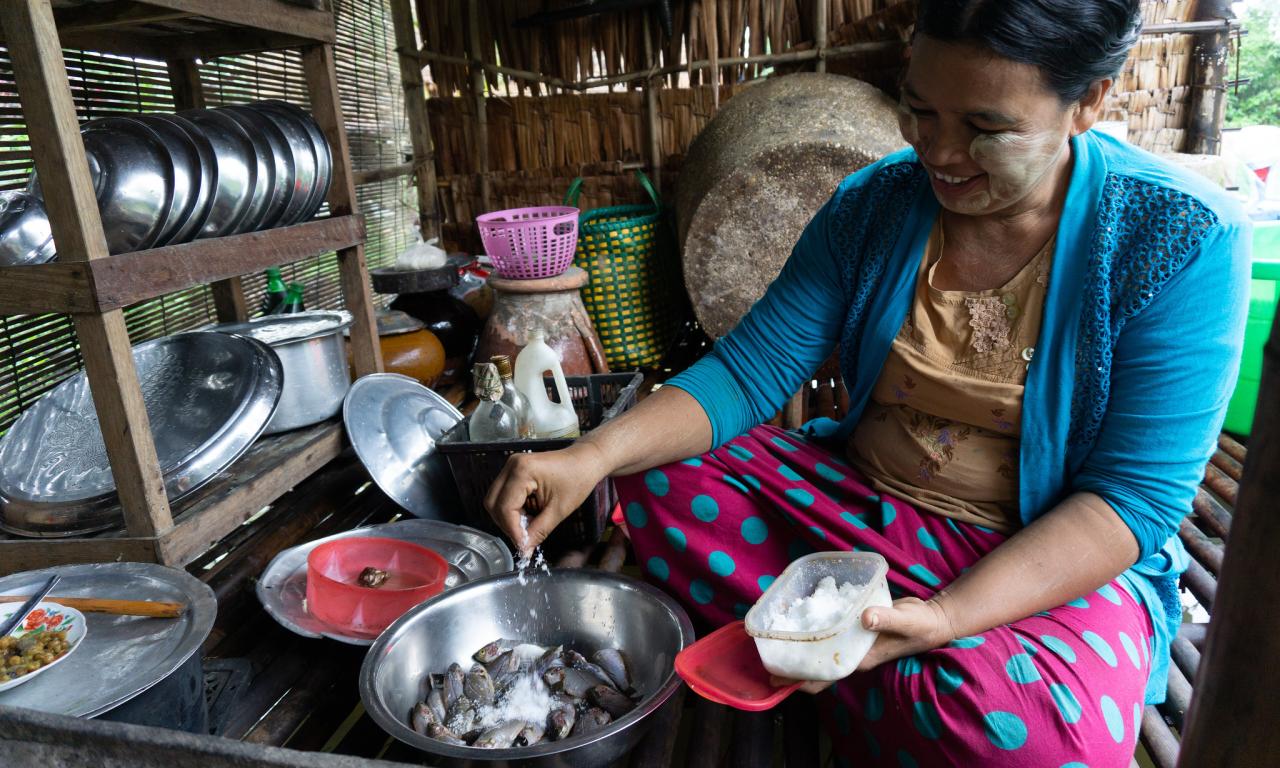
Cover photo: Daw Cho Mar preparing fish for breakfast, Myanmar. Photo:Majken Schmidt Søgaard/WorldFish.