
David Wardell

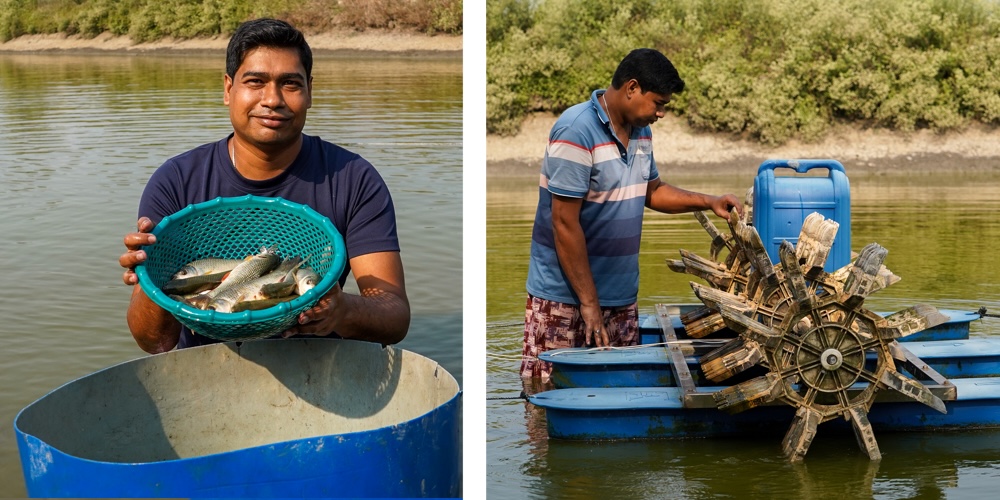
When Amit Joarder walks along the edge of his ponds in southern Bangladesh, he sees the difference. The fish are growing faster now and the harvest comes sooner. For the first time in years, he feels like he has options.
“With G3 rohu, I can either harvest earlier or grow them for the same time and get bigger, more valuable fish,” Amit says. “Either way, I earn more from my pond.”
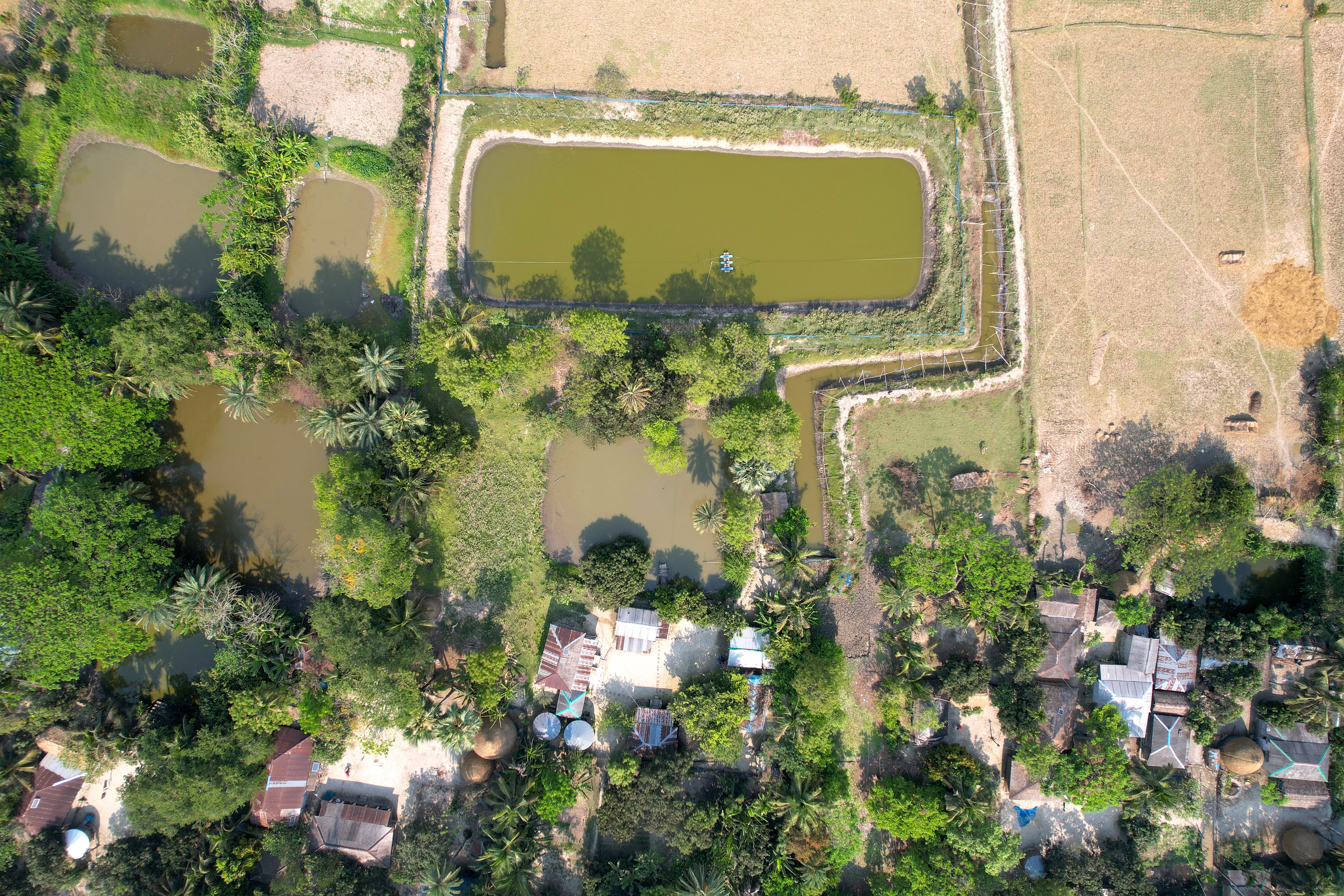
Amit has been farming fish for a decade. He manages two ponds covering just under half an acre. It is a modest operation, but one he has steadily built into a reliable source of income for his family. Like many small-scale farmers, he balances production for both home consumption and sale, working within tight margins and constant uncertainty.
For years, the biggest constraint was something largely out of his control. The quality of fish seed.
“Before using G3 rohu, my biggest challenges were poor-quality fish seed, slow growth, and lower production,” he says. “The fish took longer to reach marketable size, which increased my production costs.”
Longer grow-out periods meant tying up time, feed, and money. Returns were unpredictable and planning ahead was difficult. That began to change in 2023, when Joarder was introduced to a new strain of rohu through the Asian Mega Deltas initiative. Developed by WorldFish, the third generation G3 rohu had been selectively bred for faster growth and improved performance under real farming conditions.
At first, he was not entirely sure. “I decided to test it in my pond to compare it with my usual fish,” he explains.
Better Seed, Lower Risk
A recent study found that G3 rohu grows more than 30 percent faster than conventional local strains and increases net margins for farmers by nearly 25 percent, with higher total production and revenue in smallholder pond systems.
In Bangladesh, carp are typically grown in polyculture ponds alongside other species. While other species continued to perform as usual, overall pond productivity and returns improved, driven by the faster-growing rohu. An independent assessment by CGIAR’s Standing Panel on Impact Assessment found that G3 rohu had reached 6.5 percent of rohu-producing households in Bangladesh by 2024, despite only being released in 2020.
For Amit, the change has been both practical and immediate. Faster growth has shortened his production cycle and given him more flexibility. He can time his harvests better, respond to market conditions, and reduce the risks that come with long grow-out periods. But the shift didn’t stop with the fish.
“Along with stocking G3 rohu, I became more attentive to pond preparation, feeding, and overall management practices,” Amit explains.
He began using higher-quality commercial feed, improved water quality management and installed aerators.
“As a result, overall pond performance improved, with better growth, healthier fish, and higher productivity compared to previous seasons,” he says.
That combination of improved fish and better management is where the gains start to build. Now, the impact is showing up beyond the pond.
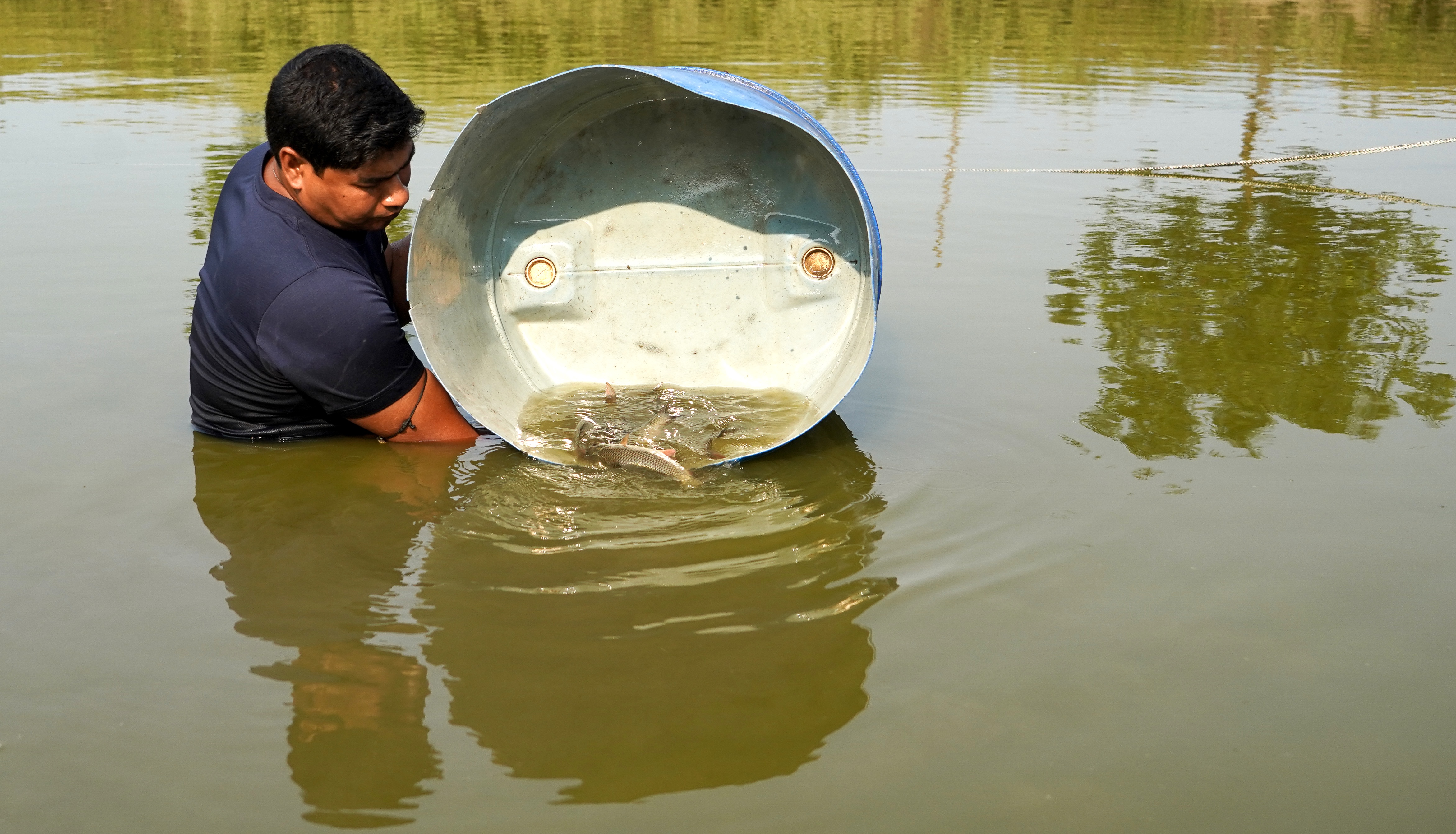
“G3 rohu has helped me increase production and income while reducing the culture period,” Amit says. “I am now able to plan for greater financial stability, invest more in my farming activities, and consider expanding my operations.”
He is already preparing to take the next step by developing an additional pond dedicated to G3 rohu.
“This has increased my confidence in fish farming as a reliable and profitable livelihood,” Amit says.
Confidence to Invest
For other farmers, his advice is simple.
“I would recommend G3 rohu to those looking for faster growth and higher returns,” he says. “But you need proper pond management and feeding practices to get the best results. Based on my experience, it is definitely worth trying.”
For Hazrat Ali, a WorldFish scientist involved in the G3 rohu work in Bangladesh, the results show how improved fish seed can change both production and farmer confidence.
“What we are seeing from many farmers using G3 rohu is not only faster fish growth, but greater confidence to invest in better pond management,” Ali says. “When farmers see reliable performance from improved seed, they are more willing to improve feeding, pond preparation and overall management. Together, these changes help strengthen productivity and profitability over time."
Amit's experience is part of a wider shift. WorldFish data shows more than 300,000 farmers across Bangladesh have now adopted G3 rohu, with improved strains of catla and silver carp, along with G5 rohu, expected to follow in the coming years.
As Bangladesh’s aquaculture sector continues to expand, faster-growing strains such as G3 rohu offer a practical way to improve productivity and farmer returns without requiring more land or larger ponds.
Cover photo: Amit Joarder feeds fish in his pond in southern Bangladesh. Photo: Harun Or Rashid/WorldFish.
This work was conducted as part of the CGIAR Scaling for Impact (S4I) Program and Sustainable Animal and Aquatic Foods (SAAF) Science Program. CGIAR research is supported by contributions to the CGIAR Trust Fund. CGIAR is a global research partnership for a food-secure future dedicated to transforming food, land, and water systems in a climate crisis.