
David Wardell

Netsayi Mudege
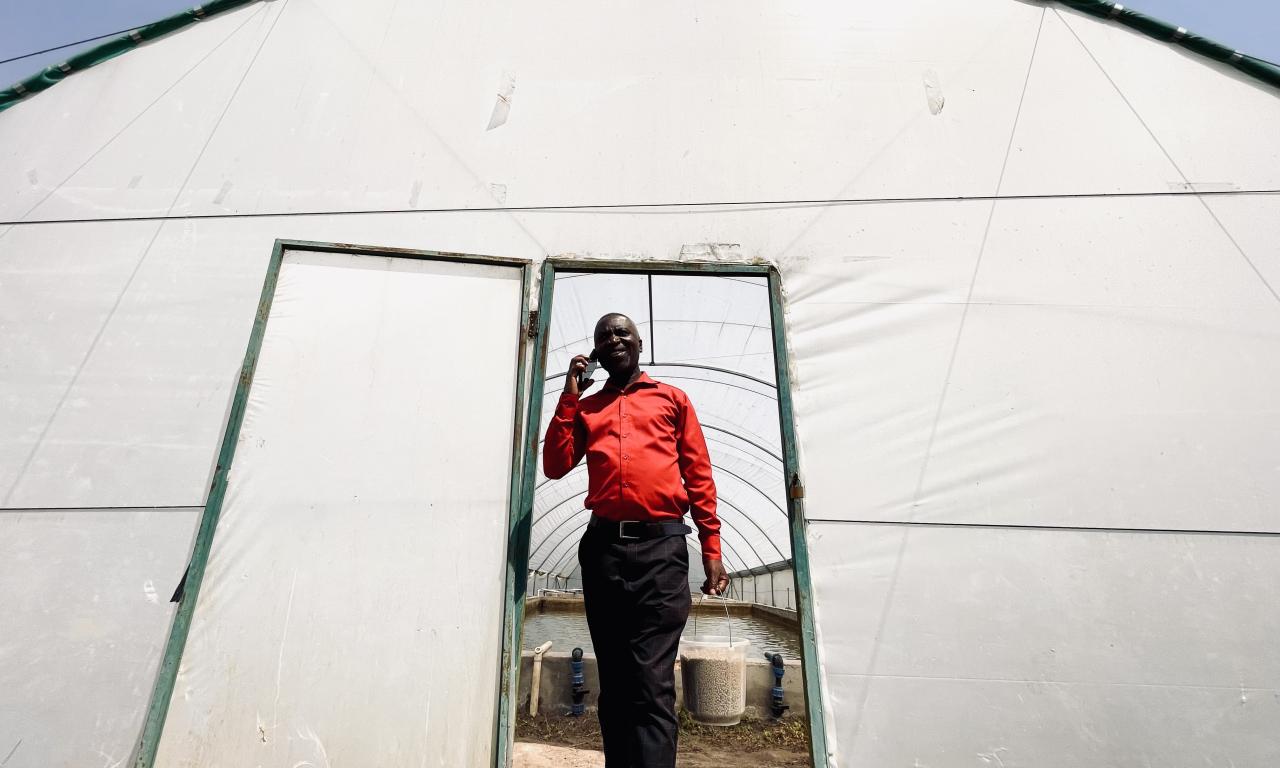
Climate information is more effective when paired with targeted training and market opportunities. Through AICCRA's work with private sector SME partners in Luapula and Northern Provinces in Zambia, a new kind of rural economy in aquaculture is emerging - one built on actionable climate services, integrated production systems, and strong, trusted local markets.
Farmers in Zambia’s Northern Province face twin vulnerabilities of rising climate risks and market fragmentation. Climate-related challenges include erratic rainfall, prolonged dry spells and floods that can destroy aquaculture farms and businesses. Water scarcity has become more pronounced in both regions, previously well known for their abundant water resources, lakes, vibrant fisheries and large smallholder aquaculture sector. Market fragmentation keeps producers and buyers disconnected and producers keep their income in the form of cash making it easy to spend or lose rather than reinvest.
In this fragmented situation, climate impacts are not only agricultural but also become financial shocks. Northern and Luapula provinces are among the poorest provinces in Zambia, shaped by climate change and declining biodiversity.
Scaling through SMEs
AICCRA sought to address climate challenges and revitalize aquaculture in the two provinces. Working with the private sector, particularly small to medium-sized enterprises (SMEs) through an agribusiness accelerator, the project provided training, extension support, market development, and climate services for smallholder farmers.
The underlying vision was to align pathways rather than scale a single technology, ensuring climate-smart solutions were usable, investable and locally owned.
Through targeted training, we strengthened the skills and knowledge of SMEs and extension officers in integrated aquaculture-agriculture systems (IAAS). This approach integrates fish farming with small livestock such as chickens and goats to use water more efficiently and reduce the demand for fish feeds as droppings from poultry and goats can be used to fertilize ponds.
We supported SMEs in developing skills for using climate information systems for aquaculture, gender equity, and their own capacity to train smallholders in climate-smart and improved aquaculture management practices. SMEs received financial literacy training and mentorship that enabled them to use their newly acquired skills to secure significant financing. AICCRA also promoted access to quality and resilient fish feeds by linking farmers to trained hatchery operators and linked farmers to fish offtakers to ensure market access to sell their fish.