
Eunice Ayo-Aderele
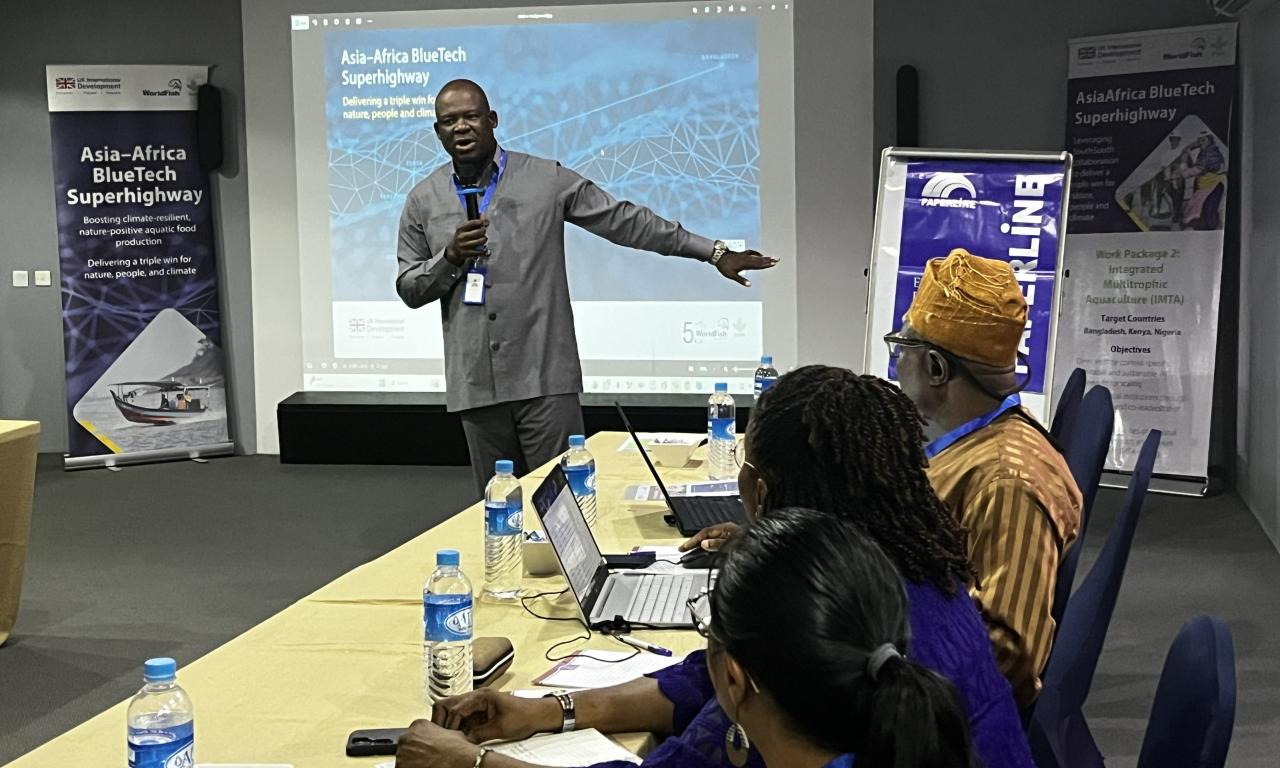
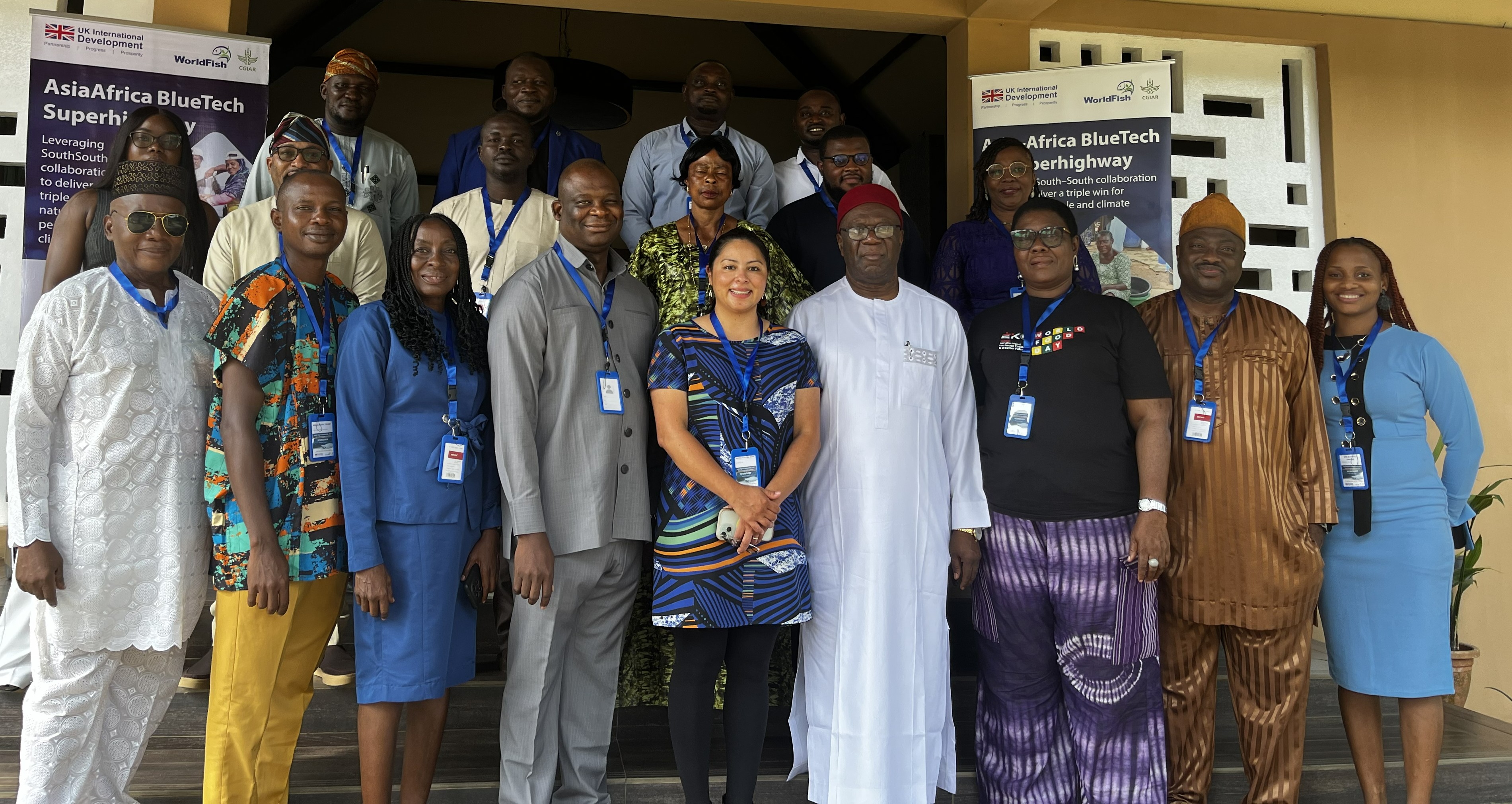
The Asia–Africa BlueTech Superhighway (AABS) project in Nigeria marked the conclusion of its three-year implementation with a Year 3 Review, Learning, and Project Closeout Workshop held on 16 March 2026 in Epe, Lagos State. The event brought together government representatives, research institutions, development partners, private-sector actors, and coastal community stakeholders to reflect on the project’s achievements, lessons, and opportunities for sustaining progress in Nigeria’s aquatic food systems.
The workshop served as a platform to showcase the outcomes of three years of implementation while creating space for dialogue on the future of sustainable aquaculture and coastal livelihoods in Nigeria. Discussions emphasized innovation, inclusion, climate resilience, and the importance of partnerships in strengthening the country’s blue economy.
Government representatives and development partners commended the project’s contribution to sustainable food systems, environmental stewardship, and inclusive development. Discussions highlighted Integrated Multi-Trophic Aquaculture (IMTA) as a promising approach for improving resource efficiency, reducing environmental pressure, and strengthening coastal livelihoods. Stakeholders also reaffirmed the importance of continued collaboration to sustain and scale innovations emerging from the project.
Advancing Integrated Multi-Trophic Aquaculture in Nigeria
The project focused on promoting Integrated Multi-Trophic Aquaculture (IMTA), an approach that combines species from different trophic levels so that waste from one species becomes a resource for another. This system improves productivity while reducing environmental impact and encouraging more efficient use of resources.
During the implementation period, IMTA pilot cages were established in Ode-Omi in Ogun State and Badagry in Lagos State, with activities carried out through cooperative associations to encourage collective participation and long-term sustainability.
The workshop highlighted major achievements recorded over the three years, including the training of more than 506 farmers across project communities and an additional 161 stakeholders from the Fisheries Society of Nigeria, including researchers, private-sector actors, fish farmers, and government representatives.
Scientific outputs generated through the project included 20 field study reports, one training manual, one scientific brief developed from eight field surveys, two manuscripts published in high-impact journals, one accepted manuscript awaiting publication, and six additional manuscripts currently under review in different journals.
Findings from the pilot activities demonstrated that IMTA systems achieved improved fish growth performance compared to monoculture systems, reinforcing the productivity potential of integrated aquaculture. Biomass gains recorded in aquatic plants such as water lettuce also highlighted ecological benefits within the system. At the same time, the project identified areas requiring further research, particularly around improving the integration of water snails within cage culture systems, where lantern net configurations affected growth and survival rates.
Addressing Challenges in Coastal Aquaculture
Despite the progress achieved, participants noted several challenges affecting aquaculture development in coastal communities. These included environmental and water pollution, inadequate infrastructure, rising input costs, and limited access to finance for small-scale actors.
Discussions during the workshop emphasized the need for stronger policy support, increased investment in coastal infrastructure, expanded technical training, and improved market access to strengthen the sustainability and scalability of IMTA systems in Nigeria.
Strengthening Inclusion in Aquatic Food Systems
The workshop also featured a dedicated session on Gender Equality, Disability, and Social Inclusion (GEDSI) in aquatic food systems. Participants explored issues related to gender roles, social norms, intersectionality, and equitable access to resources and opportunities within fisheries and aquaculture systems.
Interactive discussions encouraged participants to reflect on how deeply rooted social norms influence participation and decision-making within aquatic food systems. The session reinforced the importance of ensuring that women, youth, persons with disabilities, and marginalized groups are meaningfully included in aquaculture development and benefit-sharing processes.
Participants also highlighted the need to move beyond gender-responsive approaches toward more transformative actions that address structural inequalities within the sector.
Building a Foundation for Future Impact
As the AABS project concludes in Nigeria, stakeholders underscored the importance of sustained collaboration, stronger community ownership, and improved market linkages to maintain and expand the gains achieved over the past three years.
The Year 3 Review and Project Closeout Workshop demonstrated how AABS has contributed to advancing sustainable coastal aquaculture through research, innovation, capacity strengthening, and environmentally responsible practices. The workshop also reinforced the value of science-driven and community-centered approaches in strengthening livelihoods, enhancing climate resilience, and supporting the long-term growth of Nigeria’s blue economy.
Cover photo: Dr. Charles Iyangbe, WorldFish Nigeria Country Representative, speaking during the AABS Year 3 Review, Learning, and Project Closeout Workshop in Epe, Lagos State. Photo: WorldFish.