
Douglas Okemwa
Mavindu Muthoka
Markose Zewdie
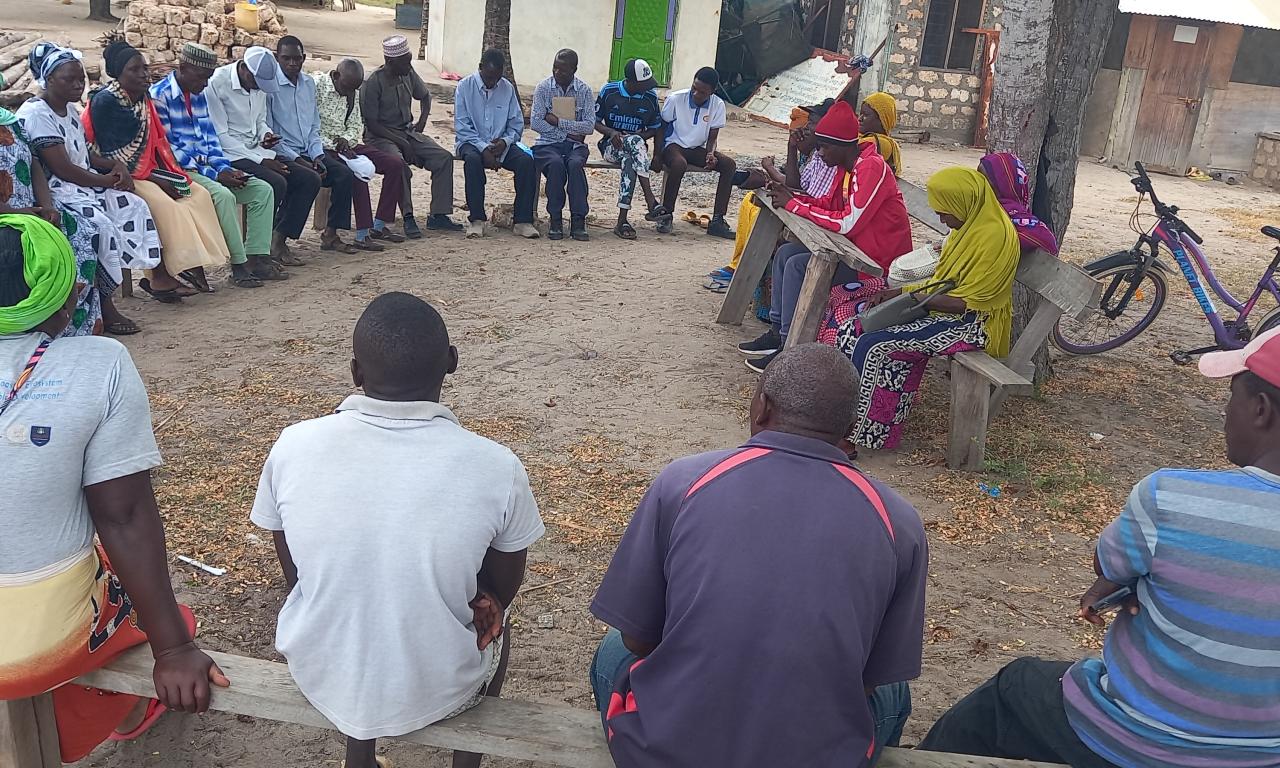
Along Kenya’s coast, community-led mariculture groups are showing how practical learning, collaboration and shared experience can strengthen sustainable livelihoods and coastal resilience.
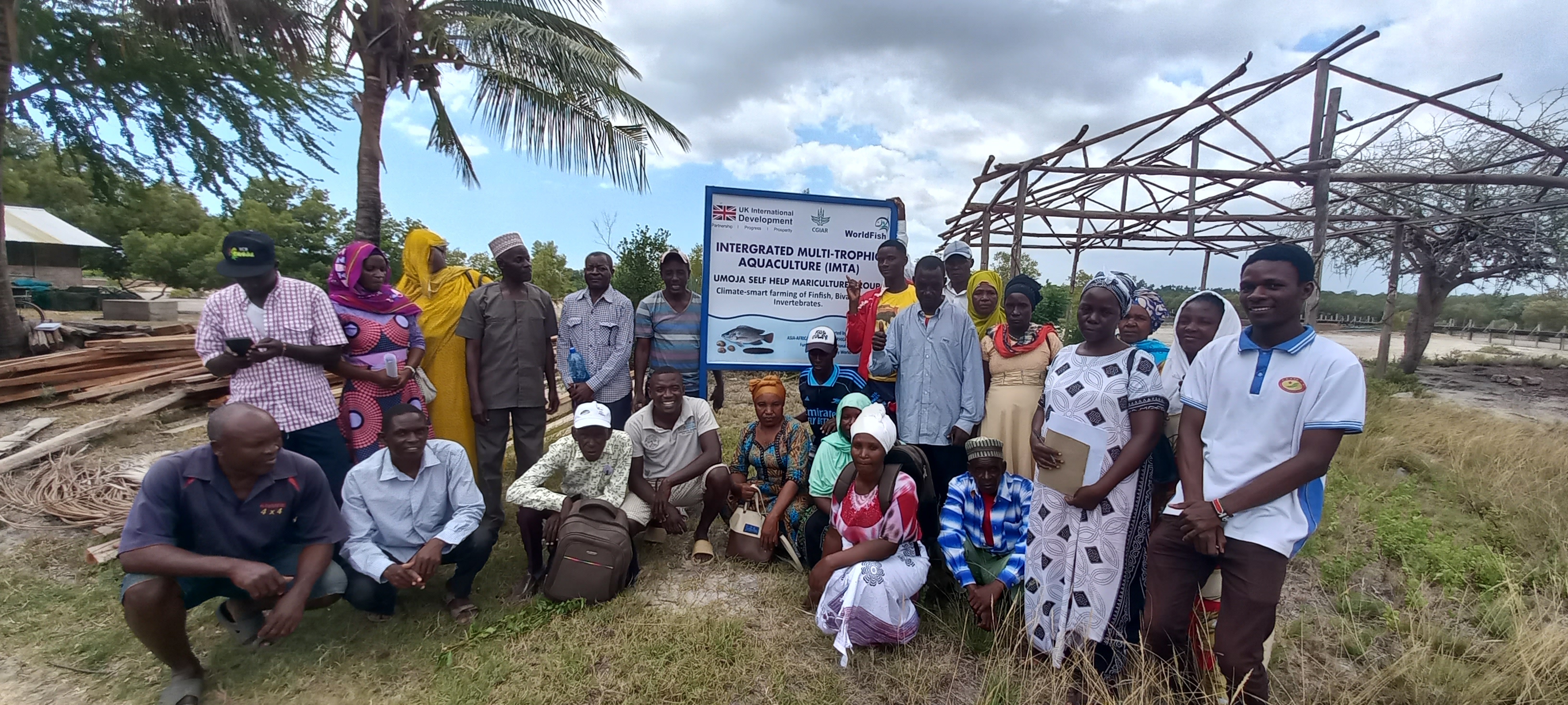
A recent exchange visit involving three mariculture groups piloting Integrated Multi-Trophic Aquaculture (IMTA) in Kenya — Tsunza Self-help Group, Dabaso Creek Conservation Group, and Umoja Self-help Group — showcased how peer learning is helping communities strengthen aquaculture practices, diversify livelihoods, and improve governance and conservation efforts.
Learning Through Practical Exchange
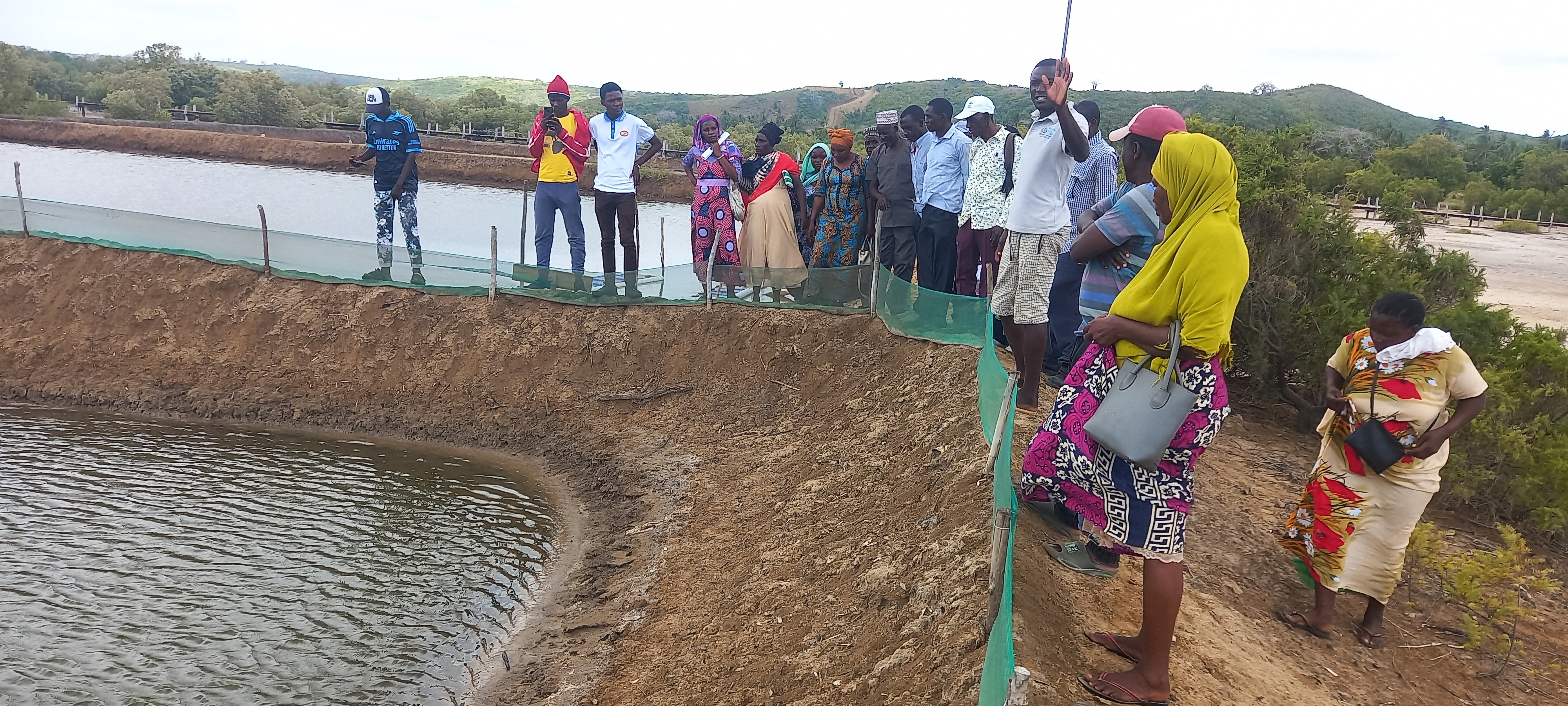
The exchange visit provided participants with an opportunity to observe different mariculture systems in practice and engage directly with community members managing the initiatives. Participants toured mangrove conservation boardwalks, visited aquaculture sites, interacted with restaurant operators and local markets, and discussed governance and business management approaches used by the groups.
The visit also created space for open discussion, allowing members to share experiences, challenges and practical solutions related to sustainable aquaculture, conservation and income generation.
Shared Practices and Common Goals
All three groups are actively engaged in Integrated Multi-Trophic Aquaculture (IMTA), applying different models suited to their local contexts. Tsunza and Umoja mariculture groups practice Pond-IMTA, while Dabaso Creek Conservation Group operates Pen and Cage-IMTA alongside an eco-tourism restaurant. These approaches enable the groups to farm marine species sustainably while enhancing productivity and maintaining ecological balance.
Beyond aquaculture, the groups share a strong commitment to mangrove conservation. They recognize mangroves as critical ecosystems that support marine biodiversity, protect coastlines, and strengthen community resilience to climate change.
Learning from Experience and Diversification
While Tsunza Self-help Group is still relatively new to the mariculture space, Umoja Self-help Group and Dabaso Creek Conservation Group have built years of experience and diversified their activities to strengthen income generation and sustainability.
Umoja has expanded beyond aquaculture by incorporating cold storage facilities provided through the Solar Direct Drive (SDD) initiative for post-harvest loss reduction under the Asia–Africa BlueTech Superhighway (AABS) project. The cold storage system helps preserve harvested products, reduce losses, and improve access to markets.
Dabaso Creek Conservation Group, on the other hand, has successfully integrated crab farming, mangrove conservation, and eco-tourism. Their eco-restaurant adds value to marine products while attracting visitors, creating an additional and reliable income stream for the community.
Access to Support and Growth Opportunities
Over time, Umoja Self-help Group and Dabaso Creek Conservation Group have received technical and financial support from multiple organizations. This support has enabled them to grow into leading mariculture communities along the Kenyan coast, serving as practical learning hubs for emerging groups like Tsunza.
Through the exchange visit, Tsunza members observed proven models in action and gained practical insights into sustainable aquaculture practices, value addition, post-harvest management, and community-led conservation.
The exchange visit provided Tsunza members with practical lessons that can strengthen both their mariculture operations and group management systems.
Accessing Funding Opportunities: Participants learned the importance of seeking financial support from organizations, including county government programs, while also developing their initiatives as enterprises that can support growth and long-term sustainability.
Cold Storage and Post-Harvest Management: Members learned how cold storage systems help preserve marine harvests, reduce post-harvest losses, and stabilize income. Umoja also demonstrated a structured aggregation model that enables fishers to access reliable buyers while the group earns through value preservation and collective marketing.
Group Conflict Resolution and Management: Tsunza members observed how Umoja Self-help Group manages internal conflicts through dedicated committees tasked with resolving disputes and maintaining harmony within the group.
Revenue Sharing and Savings Culture: Participants learned how Umoja allocates 10% of harvest sales into the group bank account to support future growth and emergency needs. The remaining income is distributed based on individual participation in group activities, promoting accountability and fairness.
Market Strategy and Local Sales: The exchange visit highlighted that strong market opportunities already exist within local communities. Participants learned the importance of building local customer awareness and demand before expanding into external markets.
Transparent Leadership and Governance: Umoja Self-help Group elects its officials annually through a secret ballot process, promoting transparency, trust, and democratic leadership within the group.
Lessons from the Current IMTA Interventions
The exchange visit also provided an opportunity for participants to reflect on the broader value of the ongoing IMTA interventions. Members observed that IMTA supports efficient resource use by integrating different species and activities within the same ecosystem. This approach enhances productivity while reducing environmental pressure, as waste from one component can support another within the system.
Participants also noted that IMTA interventions are creating diversified livelihood opportunities through aquaculture, crab farming, eco-tourism, and value addition activities. The interventions demonstrated that conservation and economic development can work together, with healthy mangrove ecosystems directly contributing to sustainable marine production and long-term community resilience.
The groups further emphasized that successful IMTA implementation depends not only on technical knowledge, but also on strong governance systems, collective responsibility, continuous learning, and partnerships with supporting organizations.
Building Stronger Coastal Livelihoods Through Peer Learning
The exchange visit between Tsunza Self-help Group, Dabaso Creek Conservation Group, and Umoja Self-help Group highlights the value of peer learning in strengthening community-led development. By integrating sustainable mariculture, mangrove conservation, transparent governance, and sound business practices, coastal communities are building resilient and climate-smart livelihoods.
For emerging groups like Tsunza, learning from established models such as Umoja and Dabaso provides practical insights and a strong foundation for long-term growth. Through continued knowledge sharing and collaboration, coastal communities can strengthen local economies, protect critical ecosystems, and expand sustainable livelihood opportunities for future generations.
Cover photo: Participants from Tsunza, Dabaso and Umoja mariculture groups during a peer learning exchange on community-led mariculture in coastal Kenya. Photo: Douglas Okemwa/WorldFish.