
Danyell Odhiambo
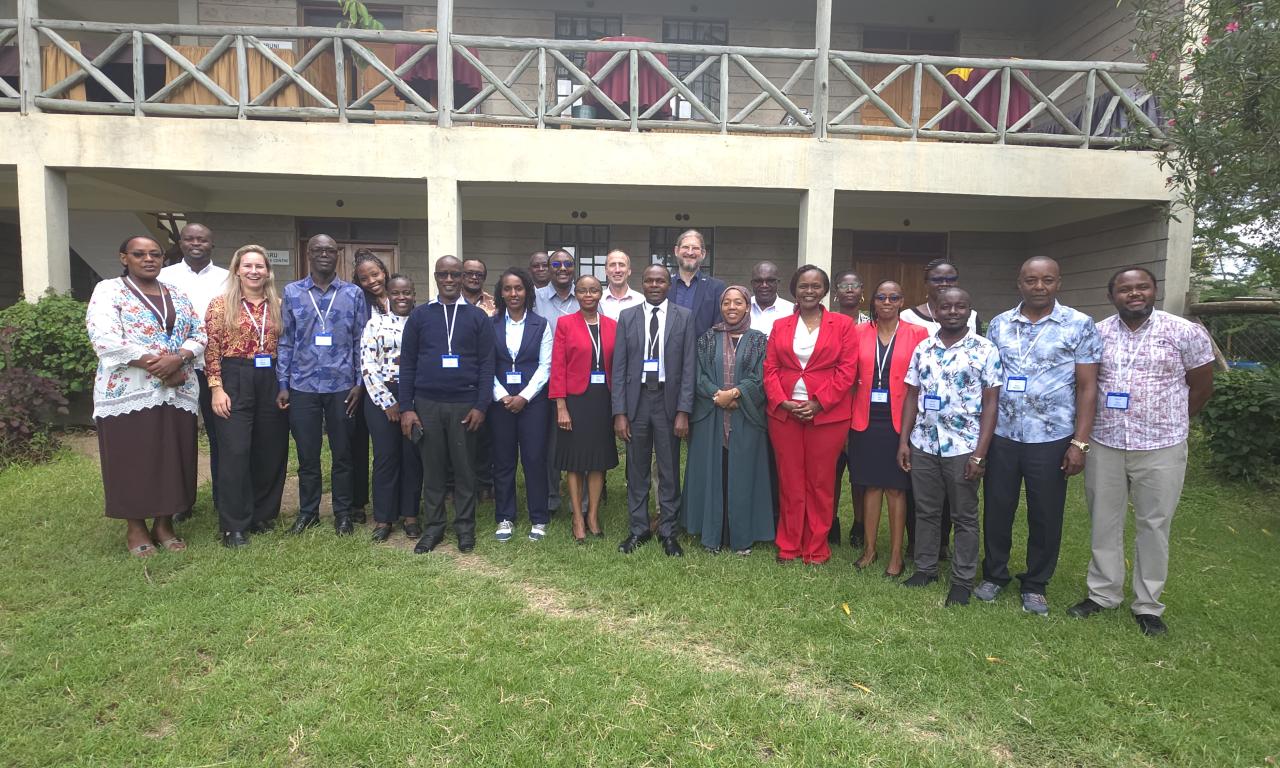
Kenya has moved to implement its blue economy partnership with WorldFish, following a three-day Joint Technical Committee workshop held from April 15 to 17, 2026. This marks the first major step since the signing of a Memorandum of Understanding (MoU) in September 2025, setting the stage for collaboration in fisheries and aquaculture.
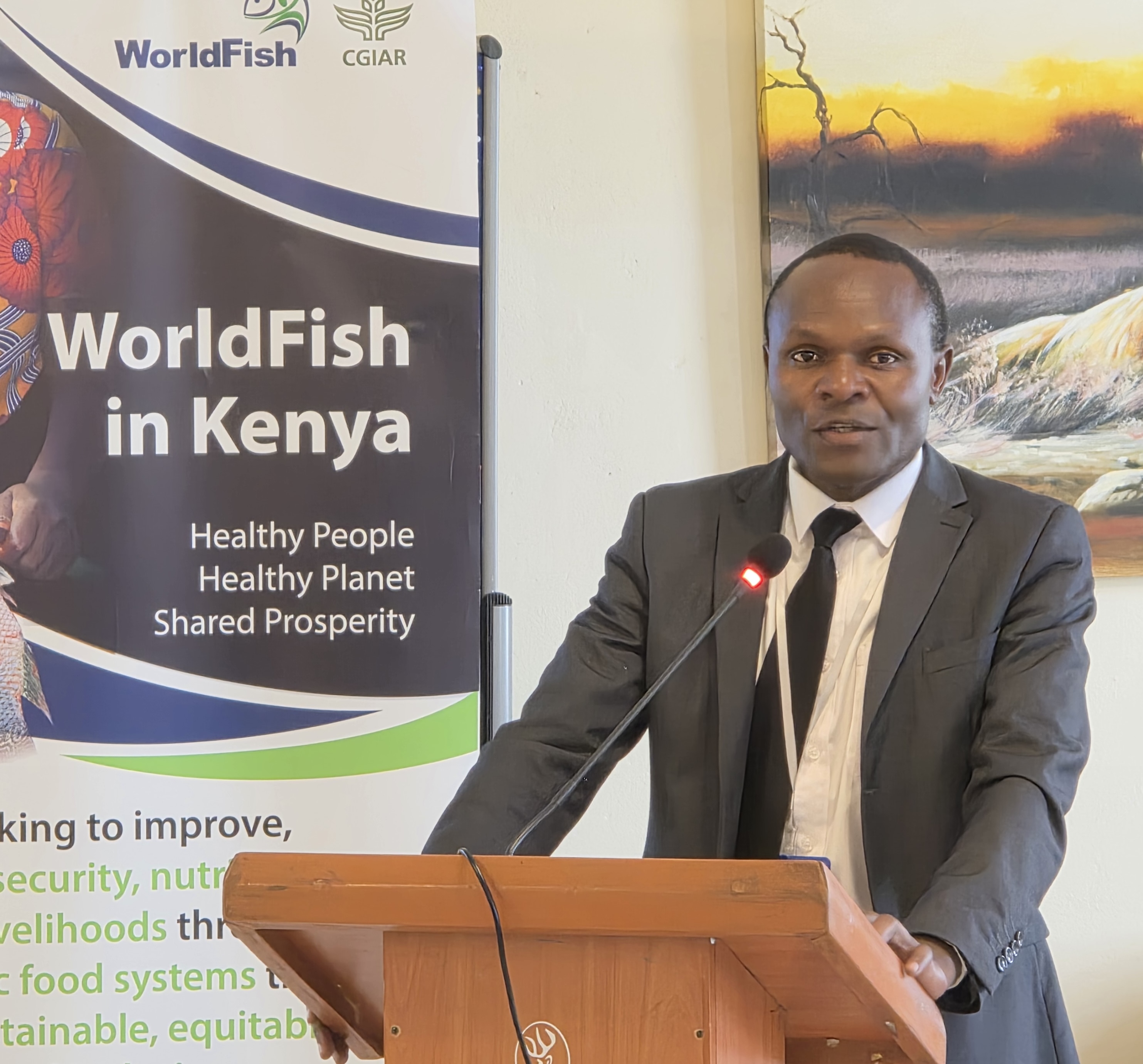
In his opening remarks, Davies Makilla, Director, Ministry of Mining, Blue Economy and Maritime Affairs, highlighted the importance of the partnership, stating,
"This workshop provides an opportunity to shift from plans to actionable steps. It lays the foundation for establishing a sustainable framework that will see our joint efforts drive sustainable transformation of our blue economy while ensuring environmental and social benefits for our communities."
The partnership aligns with the State Department for the Blue Economy and Fisheries' 2023–2027 Strategic Plan, reinforcing key goals such as strengthening policies, boosting investment, improving sustainable fisheries management, and ensuring regulatory compliance, while laying a foundation for long-term success in food security, climate resilience, and economic prosperity.
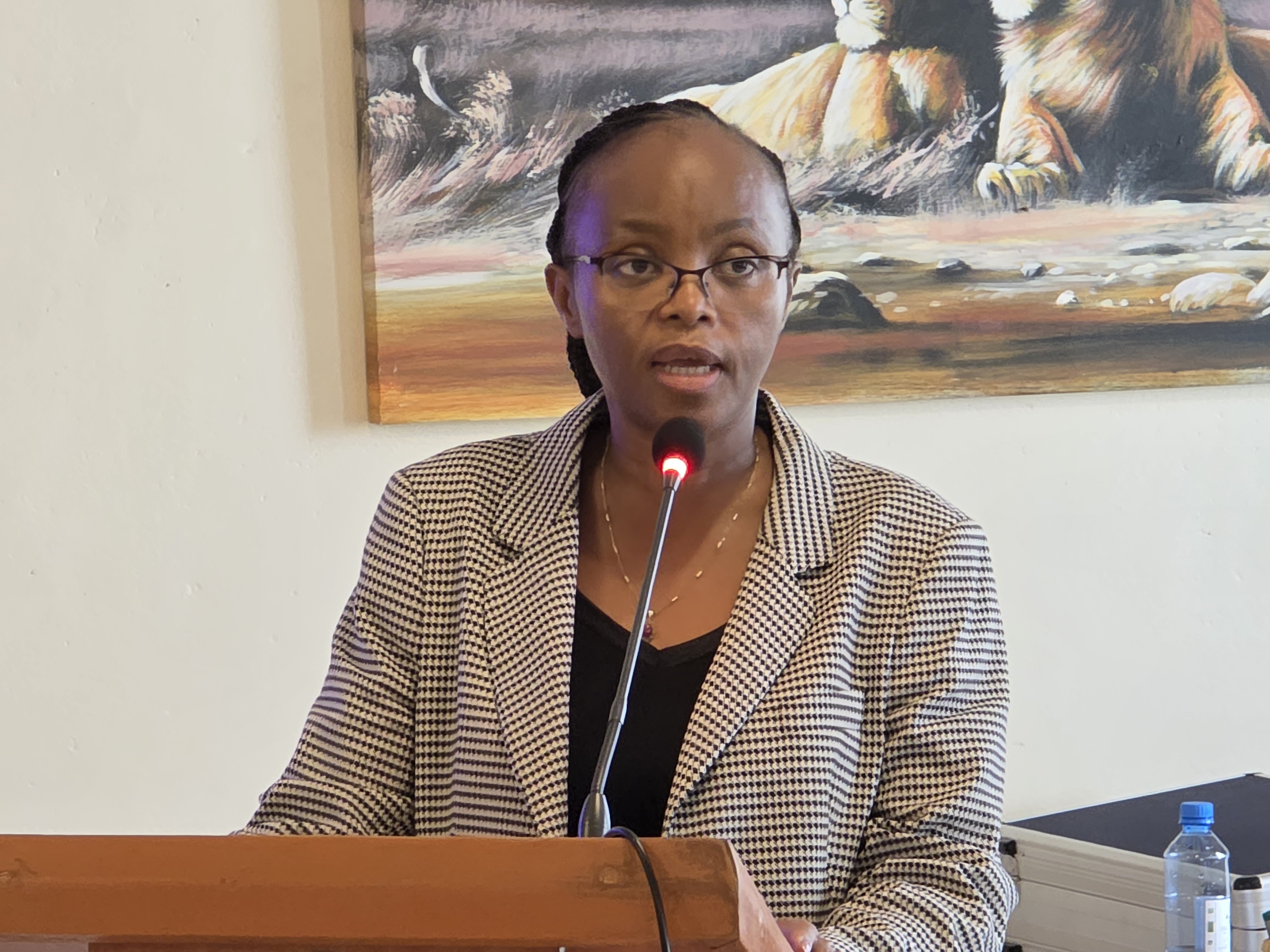
Daisy Muriuki, Ag. Director General of the Kenya Fisheries Service (KeFS) pointed out the scale of opportunity in the sector and the need for stronger collaboration to tap this potential and close the supply gap.
“Kenya's aquaculture sector is gaining momentum to meet the rising fish demand driven by population growth. Our current overall fish production stands at 161,000 metric tonnes against the projected demand of 510,000 metric tonnes,” she said.
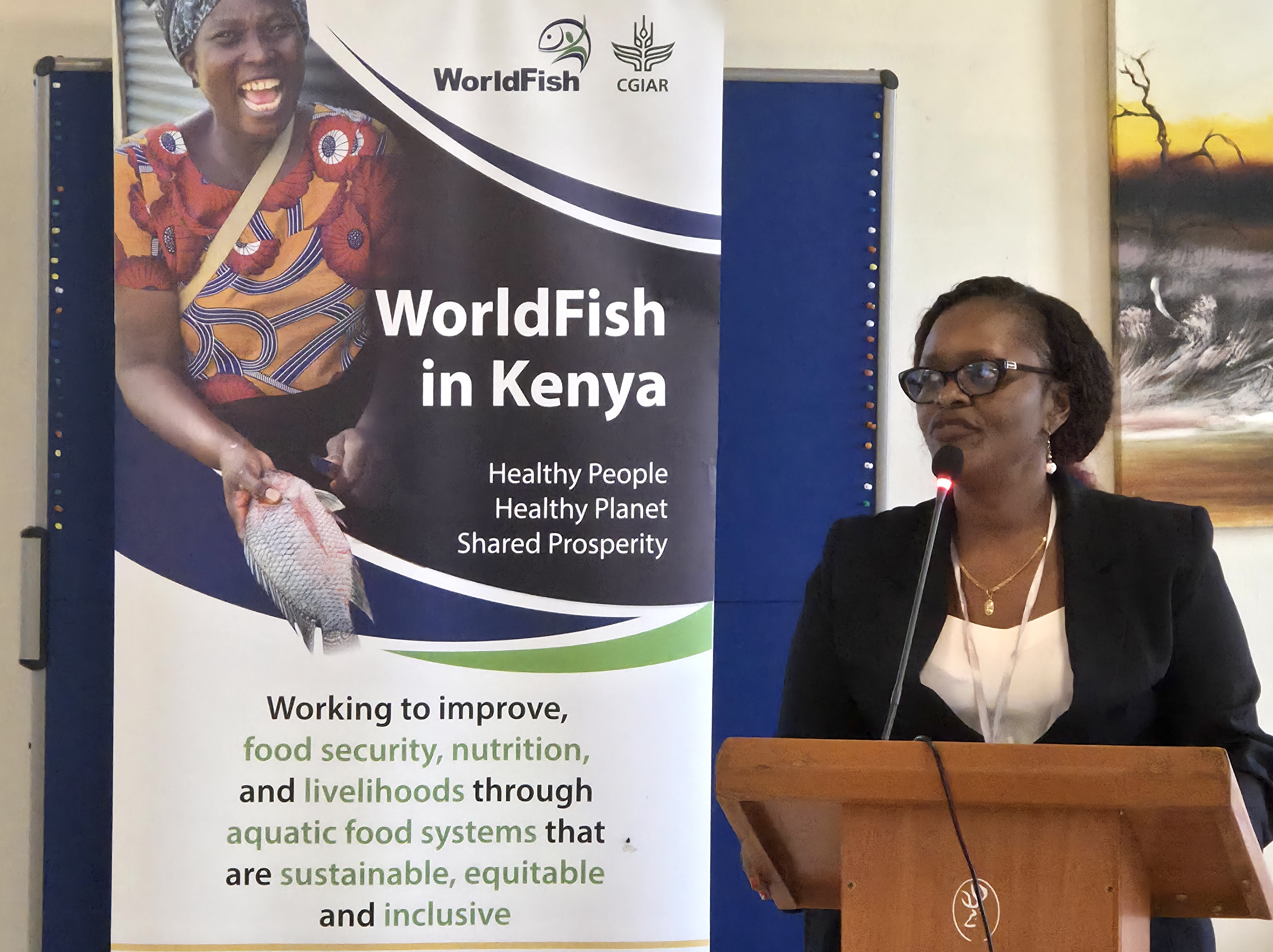
Building on this shared vision and potential, Rahma Adam, Country Representative for WorldFish Kenya, highlighted the crucial role the MoU can play in promoting sustainable development within the blue economy.
“We are committed to ensuring the success of this partnership because it is essential to advancing our shared priorities. Our target is to improve food and nutrition security, strengthen local capacities and livelihoods, foster sustainable aquaculture and fisheries development, and drive collaborative research and innovation," she said.
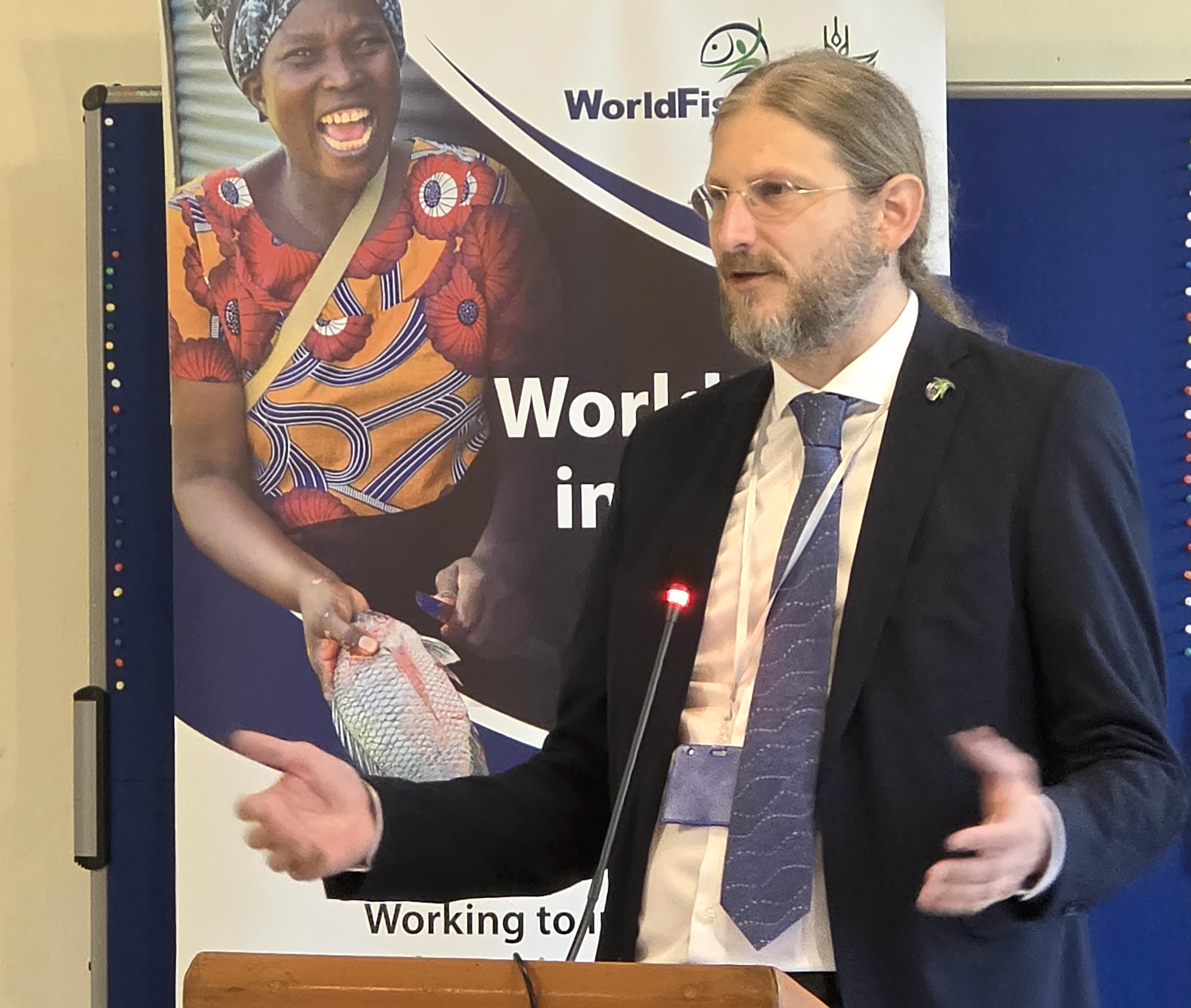
Jörn Schmidt, WorldFish’s Director for Sustainable Aquatic Food Systems, reinforced the strategic significance of Kenya’s Blue Economy. He noted,
"We recognize the immense potential of Kenya’s blue economy sector. The partnership offers a valuable platform for collaboration and cross-learning. By leveraging our global research and innovations, we aim to unlock sector opportunities and position Kenya as a regional leader.”
A key outcome of the workshop was the establishment of a governance and coordination framework. This framework will guide the implementation of the MoU, ensuring alignment on investments, technical support, and strategic policy decisions.
The framework will be overseen by the newly formed Joint Technical Committee (JTC), bringing together key stakeholders from the State Department for the Blue Economy, Kenya Marine and Fisheries Research Institute (KMFRI), KeFS, and WorldFish.