
Mavindu Muthoka
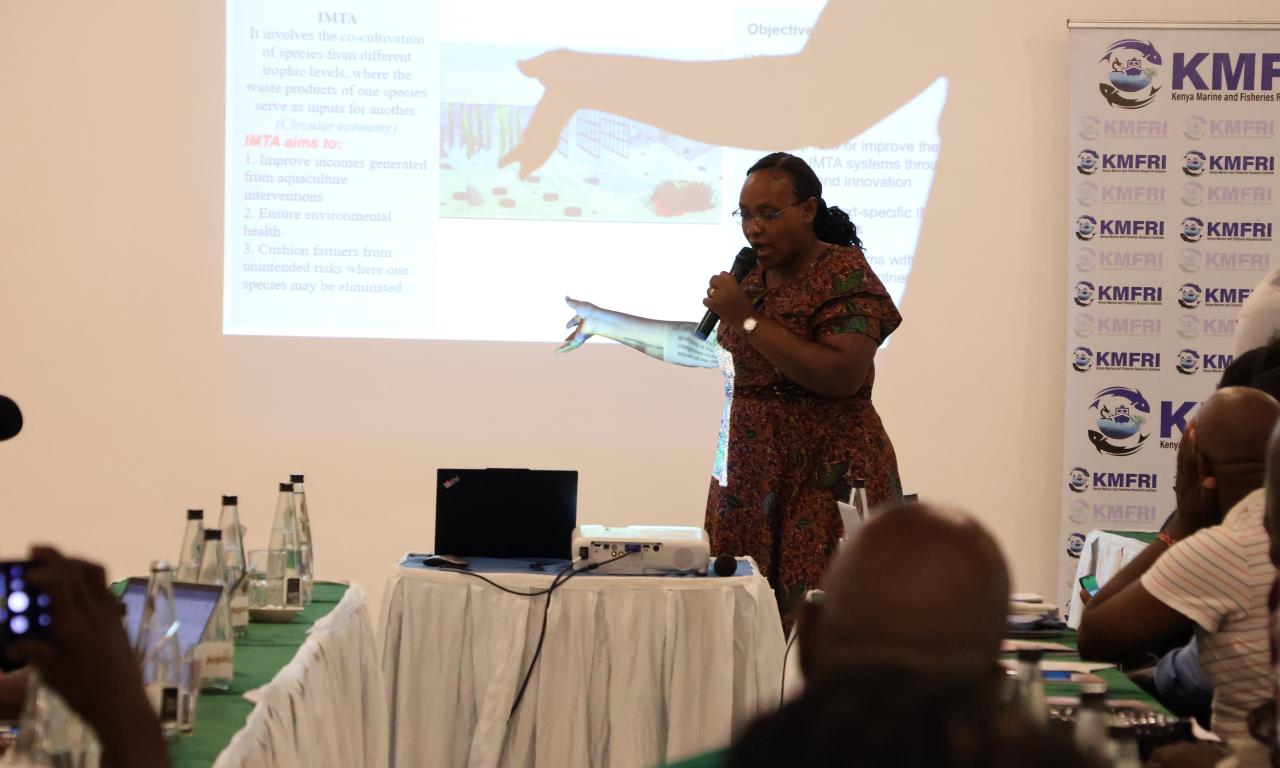
Integrated multi-trophic aquaculture is gaining momentum in coastal Kenya, as WorldFish and partners move from early piloting to practical planning for community-led scale.
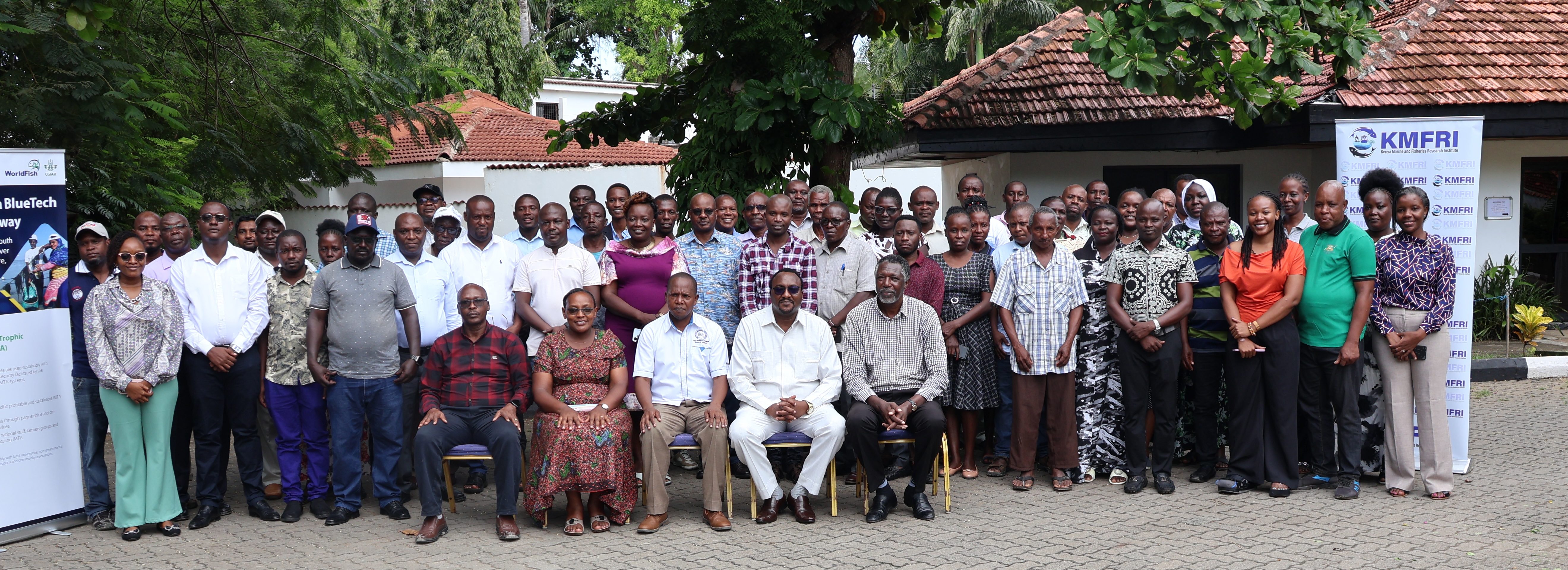
In March 2026, WorldFish Kenya convened the Asia–Africa BlueTech Superhighway (AABS) project End-of-Year 3 Dissemination Workshop in Mombasa, Kenya. The workshop highlighted Integrated Multi-Trophic Aquaculture (IMTA) pilots in Kenya under AABS, bringing together 63 participants from government, research, academia, NGOs, the private sector, and community groups, including fishers and farmers.
Participants included representatives from Dabaso Creek Conservation Group, Umoja Self-Help Group, Tsunza Fish Farming Group, Kijiweni Self-Help Group, and Kwetu Training Centre for Sustainable Development, alongside the Kenya Marine and Fisheries Research Institute (KMFRI), Kenya Fisheries Service (KeFS), the county fisheries departments of Kwale and Kilifi, Pwani University, and UMITRON. The participating community groups represented the active pilot sites for the Integrated Multi-Trophic Aquaculture (IMTA) initiative in Kenya.
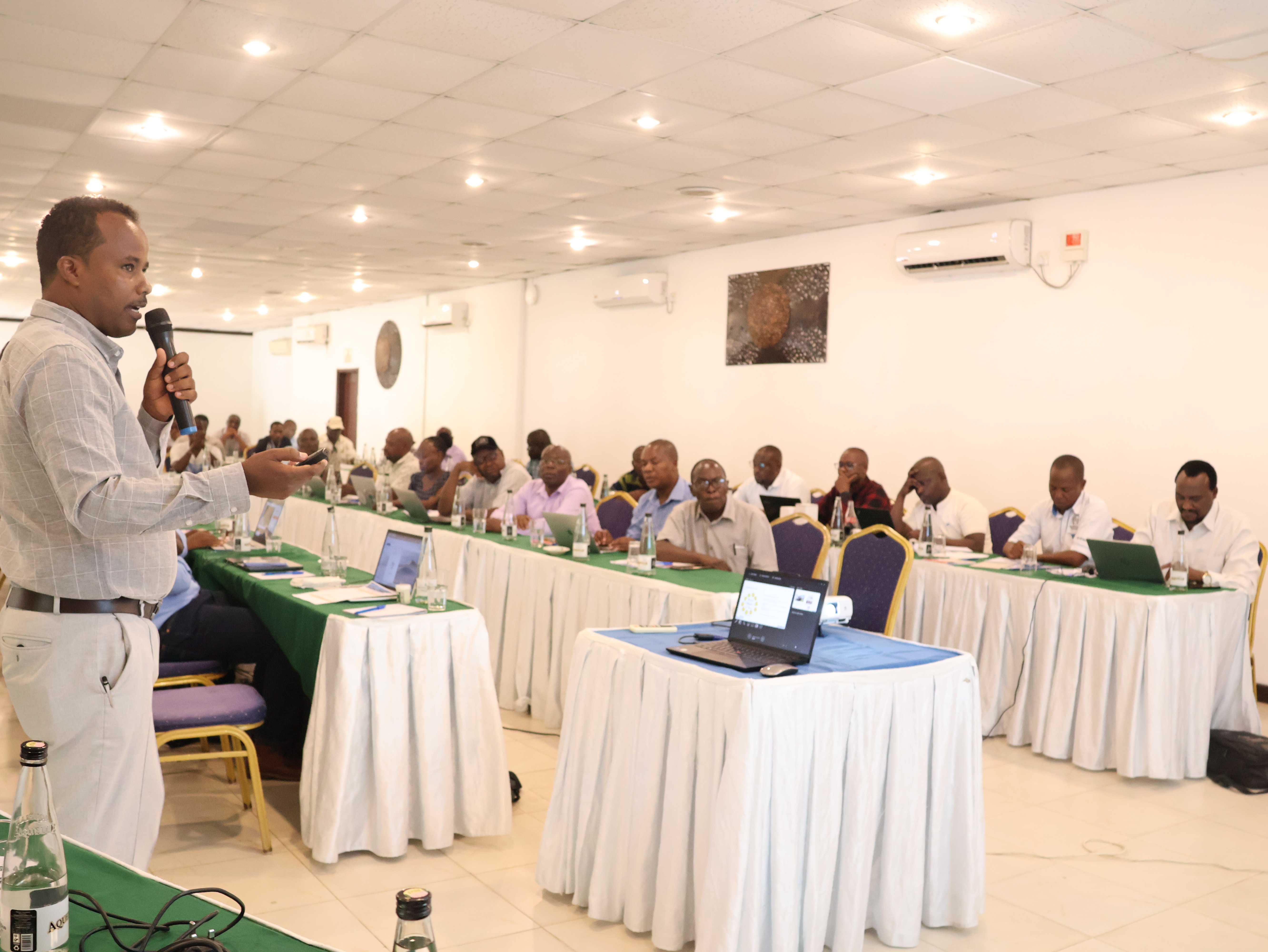
Designed as a dissemination and validation platform, the workshop aimed to share progress and preliminary findings from the IMTA initiative, gather stakeholder feedback, and identify practical pathways for sustainability, continuity, and scale. Sessions focused on project progress, the IMTA INVEST decision-support tool, findings from the pond, pen, and cage pilots, and the development of the Kwetu IMTA demonstration hub and hatcheries. Discussions also explored sustainability pathways and site-level action planning.
From Pilots to Practical Evidence
The workshop highlighted that the initiative has moved beyond concept development into active piloting, monitoring, and early planning for scale. Stakeholders reviewed emerging evidence from the three pilot systems, with early findings suggesting that integrated production systems may offer advantages over conventional monoculture approaches, including improved nutrient use, waste reduction, production diversification and biological performance. Pond pilots recorded stronger growth under full IMTA systems, while pen and cage pilots showed improved rabbitfish performance alongside encouraging results for seaweed, oysters, and sea cucumbers.
Participants also reviewed the IMTA INVEST decision-support tool, developed to support informed investment planning for IMTA enterprises by linking production options to economic viability, environmental impact, and nutritional contribution. Feedback from stakeholders helped further refine the tool and reinforced its value for sustainable aquaculture planning.
Strong attention was also given to the Kwetu IMTA demonstration hub and hatchery development. Participants emphasized the importance of operationalizing these facilities to strengthen local seed systems, build technical capacity, and support future scaling efforts. Demonstration sites, farmer field schools, peer learning, exchange visits, and accessible training materials were identified as practical pathways for improving uptake and expanding the user base.
At the same time, stakeholders openly discussed several persistent challenges, including unreliable seed availability, high start-up costs, regulatory barriers, technical complexity, biosecurity concerns, and the need for stronger performance data. Key follow-up priorities included local seed production, commercial viability, disease management within integrated systems, seaweed scaling, and addressing environmental stressors such as salinity.
Communities Shaping Next Steps
One of the workshop’s strongest outcomes was the shift from dialogue to action planning. Farmer groups and stakeholders worked in breakout sessions to develop sustainability action plans covering harvesting, marketing, reinvestment, input sourcing, restocking, accountability meetings, and day-to-day management. The process reinforced the role of farmer groups not only as beneficiaries, but as active drivers of continuity, ownership, and scale.
The workshop also reflected a strong focus on Gender Equality, Disability and Social Inclusion (GEDSI), bringing community groups, women, government representatives, researchers, academia, NGOs and private-sector actors into discussions on training needs, market participation, seed access and long-term support systems.
Discussions throughout the workshop pointed to clear priorities for the next phase of work, including strengthening local seed systems, expanding technical assistance and biosecurity training, improving business planning and market strategies, and deepening coordination among communities, KMFRI, KeFS, county governments, academia, and private-sector partners. Participants also emphasized the need for more enabling regulatory processes and stronger institutional collaboration to support wider IMTA adoption.
By the close of the workshop, IMTA had emerged not simply as a promising pilot approach, but as a realistic pathway for climate-smart mariculture development in Kenya. While the pilot systems are already generating valuable evidence and stakeholder momentum, participants emphasized that long-term success would depend on sustained investment in seed systems, technical support, market linkages, biosecurity, and collaborative partnerships capable of turning early gains into durable community enterprises.
Cover photo: Esther Wairimu, AABS lead for integrated multi-trophic aquaculture in Kenya, outlines the workshop objectives, AABS project framework and implementation progress. Photo: David Midumbi/WorldFish.