
Rahma Adam
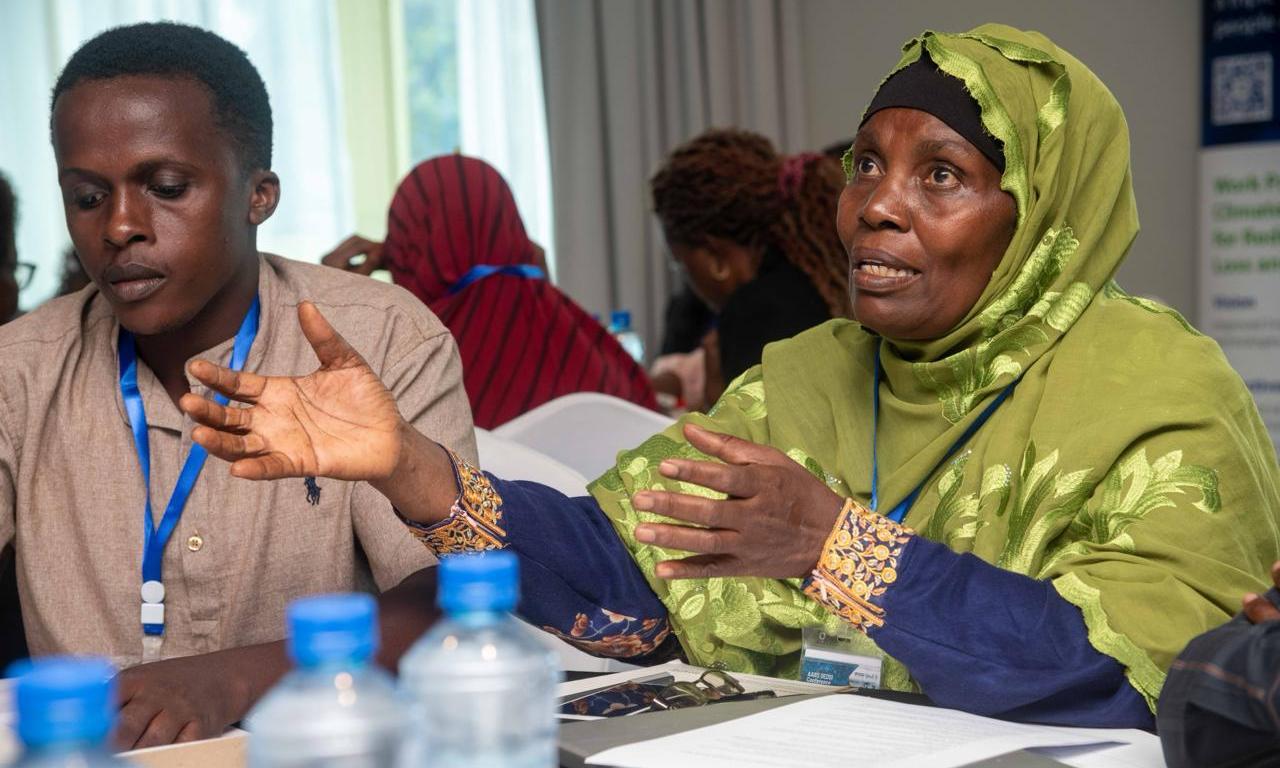
Tanzania has endorsed a National Aquatic Food Systems Theory of Change (ToC) grounded in Gender Equality, Disability, and Social Inclusion (GEDSI), marking a step toward more inclusive and coordinated sector development. The framework will inform updates to Fisheries Regulations, contribute to the Fisheries Master Plan, and guide the development of a new Aquaculture Master Plan.
The ToC was co-created through a National Stakeholder Workshop convened under the Asia–Africa BlueTech Superhighway (AABS) project, implemented by WorldFish with support from the UK Government, bringing together 50 stakeholders from across mainland Tanzania and the islands of Zanzibar and Mafia.
The workshop, held in February in Dar Es Salaam, gathered participants from a broad cross-section of the sector, including the Ministry of Livestock and Fisheries, private sector actors such as cage fish farming enterprises from the Lake Victoria Zone, feed companies, fishers, women fish processors and traders, researchers, NGOs, and development partners. This mix of actors grounded discussions in both policy and on-the-ground realities, strengthening ownership of the outcomes.
At the heart of the workshop was a co-creation approach, enabling stakeholders to jointly define pathways toward a more inclusive, resilient, and productive aquatic food system. Priorities identified included climate-smart aquaculture, improved fish genetics, strengthened market systems, and reduced post-harvest losses, anchored in GEDSI to ensure equitable participation and benefit-sharing. These priorities align with national efforts to build an inclusive and science-driven blue economy.
As emphasized during the forum hosted by the University of Dar es Salaam, inclusion remains central to building resilient aquatic food systems. The Government of Tanzania, through the Ministry of Livestock and Fisheries, demonstrated strong ownership. Prof. Mohammed Ali Sheikh, Deputy Permanent Secretary, underscored the Government’s commitment to positioning the blue economy as a driver of national development, while ensuring inclusivity across value chains.
The workshop marked a shift from fragmented interventions toward a more coordinated approach anchored in inclusion, sustainability and measurable results. The University of Dar es Salaam played a key role as host and knowledge partner, helping bridge research and policy while strengthening the framework with evidence on inclusivity in fisheries, backed by contributions from Dr. Lydia Gaspare and Prof. Donatha in subsequent discussions.
“This (GEDSI) initiative reflects the Government’s direction to harness aquatic resources for food security, employment, and long-term prosperity while safeguarding sustainability and equity,” noted Dr. Ismael A. Kimirei, Director General of Tanzania Fisheries Research Institute.
Ms. Gloria Mramba, speaking on behalf of the UK High Commission, Tanzania, reaffirmed its commitment to inclusive and climate-resilient development, and emphasized the importance of partnerships that advance equity, innovation, and sustainable livelihoods within aquatic food systems.
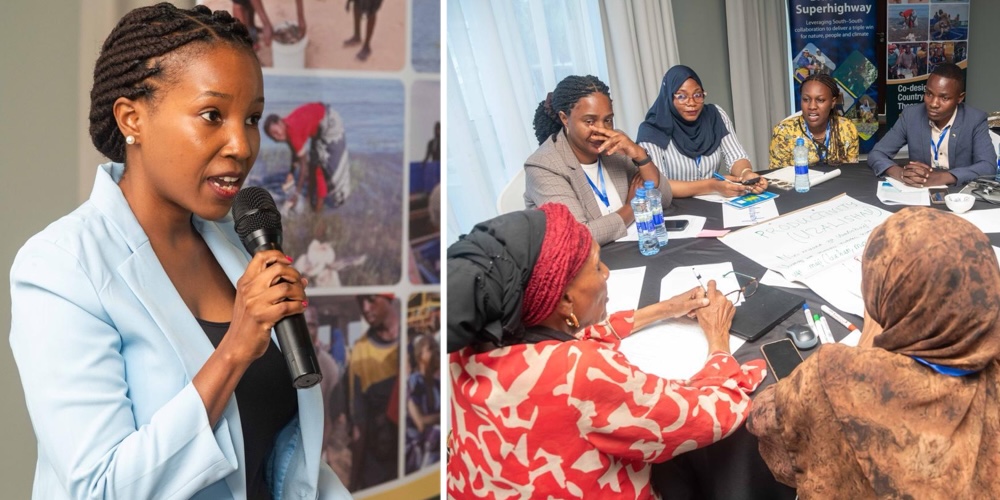
Outcomes from GEDSI Workshop
The endorsement of the ToC signals a clear policy direction for the sector, linking stakeholder priorities directly to upcoming regulatory and planning processes. The ToC report informed updates to the Tanzania Fisheries Regulations (last revised in 2009), the Tanzania Fisheries Master Plan (2021–2036), and the forthcoming Aquaculture Master Plan.
Importantly, the workshop highlighted persistent inequalities across the sector. Women, youth, and persons with disabilities continue to face barriers to accessing resources, markets, and decision-making spaces. Addressing these barriers is both a social and economic imperative.
As Tanzania moves forward, the co-created the ToC provides a shared roadmap to guide investments, partnerships, and policy reforms. By embedding GEDSI principles at its core and leveraging progress under AABS, Tanzania is setting a strong example of how inclusive, science-driven collaboration can accelerate aquatic food systems transformation, ensuring no one is left behind.
Cover photo: National stakeholders collaborate to develop a shared roadmap for inclusive and resilient aquatic food systems. Photo: Stephano Bianco.